


Syllabus: GS3/ Science and Technology, GS2/ Health
Context
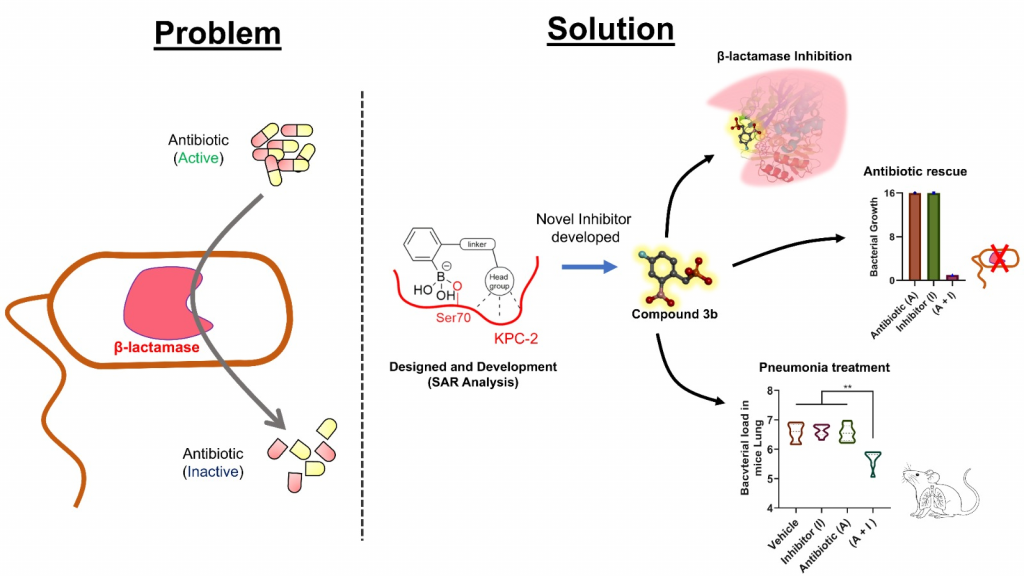
- Researchers from the IIT Roorkee, have developed a novel drug candidate, Compound 3b, that can restore the effectiveness of the antibiotic Meropenem against deadly, drug-resistant bacteria.
What is Antibiotic Resistance?
- Antibiotics are medicines used to prevent and treat bacterial infections.
- Antibiotic resistance occurs when bacteria change in response to the use of these medicines. These bacteria may then infect humans and are harder to treat than non-resistant bacteria.
Causes for Antimicrobial Resistance
- Misuse of Antibiotics: The excessive and inappropriate use of antibiotics in humans and animals is a major driver of antimicrobial resistance.
- Inadequate Dosage: When antibiotics are not taken in the correct dosage and for the recommended duration, it can lead to incomplete eradication of the targeted microorganisms, allowing the surviving bacteria to develop resistance.
- Self-Medication: Self-prescription without proper medical guidance contributes to the misuse of antibiotics.
- Antibiotics Consumption in Food-Animals: Use of antibiotics as growth promoters in food animals and poultry is a common practice and later it evolves in the food chain.
- Unavailability of laboratory facilities: Over 50-70% of doctor-prescribed antibiotics are unnecessary due to lack of accurate infection diagnosis.
- Limited access to affordable rapid diagnostic tests contributes to this issue.
About the New Drug Candidate
- Purpose: Targets infections caused by KPC-2-producing Klebsiella pneumoniae, a superbug listed among the WHO’s top-priority threats.
- Mechanism: The newly discovered molecule belongs to a class of β-lactamase inhibitor drugs that prevent bacterial enzymes from breaking down life-saving antibiotics.
- Compound 3b is highly specific, safe to human cells, and works synergistically with Meropenem to kill resistant bacteria.
Efforts against Antibiotic Resistance
- India’s Red Line campaign: Which demands that prescription-only antibiotics be marked with a red line, to discourage the over-the-counter sale of antibiotics– is a step forward.
- National Antibiotic Consumption Network (NAC-NET): The network sites compile data on antibiotic consumption in their respective health facilities and send it to National Centre for Disease Control (NCDC).
- Global Antibiotic Research and Development Partnership (GARDP): A joint initiative of WHO and the Drugs for Neglected Diseases Initiative (DNDi), GARDP encourages research and development through public-private partnerships.
Way Ahead
- Enhance Diagnostics: Ensure affordable and accessible rapid diagnostic kits to reduce empirical antibiotic use.
- Enforce Prescription Regulations: Strict penalties for non-prescription sales and overuse in livestock.
- Public Awareness: Integrate AMR education into public health campaigns and school curricula.
Source: PIB
Previous article
NASA Plans to put a Nuclear Reactor on the Moon
Next article
News In Short 13-August-2025
