


Syllabus: GS1/Climatology
Context
- The India Meteorological Department (IMD) confirmed the arrival of the southwest monsoon in Kerala (June 4, 2026). This marks the official start of the rainy season in India.
Southwest Monsoon
- Onset and Retreat: The monsoon season in India generally starts in early June and lasts until September.
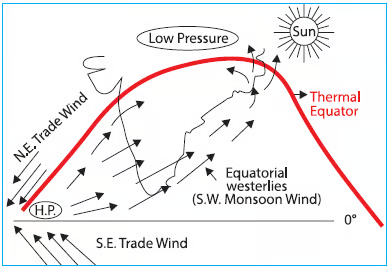
- The onset of the monsoon is marked by the arrival of the southwest monsoon winds, which bring moisture-laden air from the Indian Ocean.
- The withdrawal or retreat of the monsoon typically begins in October.
- The northeast monsoon, occurring from October to December, brings rainfall to parts of southern India.
- Monsoon Dynamics: Factors such as the El Niño and La Niña phenomena can influence the strength and distribution of the monsoon.
- Agricultural Impact: The success of the monsoon directly influences crop yields and, consequently, the overall economy of the country.
What is El Nino?
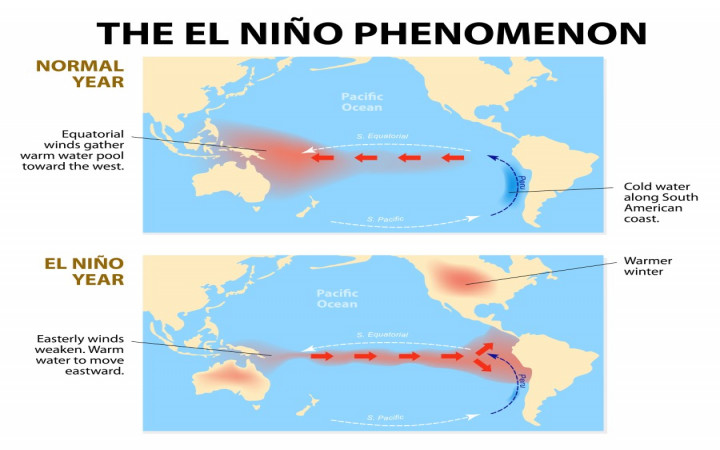
- El Niño means Little Boy in Spanish. It is a climate phenomenon characterized by the periodic warming of sea surface temperatures in the central and eastern equatorial Pacific Ocean.
- During El Niño, trade winds weaken.
- Warm water is pushed back east, toward the west coast of the Americas and as a result cold water is pushed towards Asia.
Impact of El Nino on weather patterns:
- Global Temperature Rise: El Niño causes a rise in global temperatures, often leading to warmer-than-average conditions worldwide.
- Disruption of Monsoon: In India, El Niño typically weakens the monsoon, leading to reduced rainfall and drought conditions.
- Increased Risk of Wildfires: El Niño increases the likelihood of wildfires, especially in regions like Australia, southern Africa, and parts of the Americas.
- Extreme Weather Events: El Niño can trigger extreme weather events, including more intense storms, hurricanes, and cyclones, particularly in the Pacific Ocean and Atlantic.
Source: TH
Previous article
News In Short 03-06-2026
