

Syllabus: GS2/IR
Context
- Pakistan has extended strong rhetorical support to Iran amid the ongoing Iran-Israel conflict.
Iran and Pakistan Relations
- Foundational Ties: Iran was the first country to recognize Pakistan after its independence in 1947.
- Iran provided military and diplomatic support to Pakistan during the 1965 and 1971 wars with India.
- Despite shared Islamic identity, ties have been marked by deep mistrust, particularly since the 1979 Iranian Revolution, which redefined Iran’s geopolitical stance.
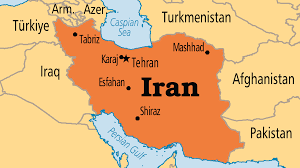
- Border Tensions and the Baloch Question: The 900-km Iran-Pakistan border runs through the Baloch heartland, with the Pak province of Balochistan on one side and the Iranian province of Sistan-Baluchistan on the other.
- Each side accuses the other of providing safe haven to separatist groups.
- There have been at least 15 border clashes in the past decade, most recently in January 2024.
- Divergence over Afghanistan: Iran (Shia-Majority) supported the anti-Taliban Northern Alliance in the 1990s, out of concerns stemming from a strongly anti-Shia group (Taliban) ruling a neighbour with which it shares a 921-km-border.
- Pakistan has historically backed the Taliban, resulting in conflicting regional stakes in Afghanistan.
- Sectarian Dimensions and the Saudi Factor: Pakistan’s close alliance with Saudi Arabia, a Sunni-majority power, has strained ties with Iran.
- Saudi-funded Sunni madrasas in Pakistan have fostered sectarian ideologies against Shia minorities.
- Iran sees this as part of a broader Sunni axis hostile to its interests.
The American Angle: Divergent Alignments
- Post-1979, Iran has remained hostile to the US, while Pakistan has relied on American support, particularly during the Cold War.
- Post-9/11 era, Pakistan was a key US ally against the Taliban, receiving massive military and economic aid.
- US disengagement post-2021 (after the Afghanistan exit) has reduced Pakistan’s value America’s strategic calculus.
- Now, Iran–Israel tensions offer Pakistan a potential diplomatic opening to regain relevance in US eyes:
- Publicly rejecting military support for Iran reassures US.
- Pakistan is also pitching itself as a mediator, with Foreign Minister claiming efforts to amplify Iran’s willingness to negotiate with the US, contingent on a halt in Israeli strikes.
How is Iran Strategically Important to India?
- India and Iran share deep civilisational, linguistic, and historical ties. Post-independence, they signed a friendship treaty in 1950.
- Key milestones include the 2001 Tehran Declaration and the New Delhi Declaration, which strengthened cooperation in areas like economy, energy, education, and counter-terrorism.
- Iran is extremely important for India as a strategic partner as it offers connectivity, particularly through the Chabahar Port and the International NorthSouth Transport Corridor (INSTC).
- These provide alternative trade routes, bypassing Pakistan and enhance access to Central Asia and beyond.
Emerging Challenges
- Pakistan’s actions amid the Iran-Israel conflict reflect a broader strategy to regain regional relevance and re-engage with the US.
- Pakistan’s balancing act involves:
- Vocal non-military support to Iran.
- Leveraging diplomatic tools to remain relevant post-Afghanistan.
- Pakistan also sees rhetorical support for Iran as a way to weaken India-Iran ties, especially given India’s strategic investments in Iran’s Chabahar Port and connectivity projects that bypass Pakistan.
Conclusion
- The Iran–Pakistan relationship is a strategic paradox which on the surface are Islamic allies with historical ties but in reality are geopolitical competitors, deeply divided over sectarian, regional, and global alignments.
- The US factor, India’s strategic outreach to Iran, and the Israel–Iran crisis add further layers to this dynamic.
- For India, understanding this relationship is key to protecting its interests in Iran and maintaining regional balance in the face of Pakistan’s recalibrated foreign policy.
Source: IE
Read this in Hindi: ईरान के मामले में पाकिस्तान के संतुलन को समझना
Previous article
UK Assisted Dying Bill
Next article
Steel Industry in India
