
 80813-00200


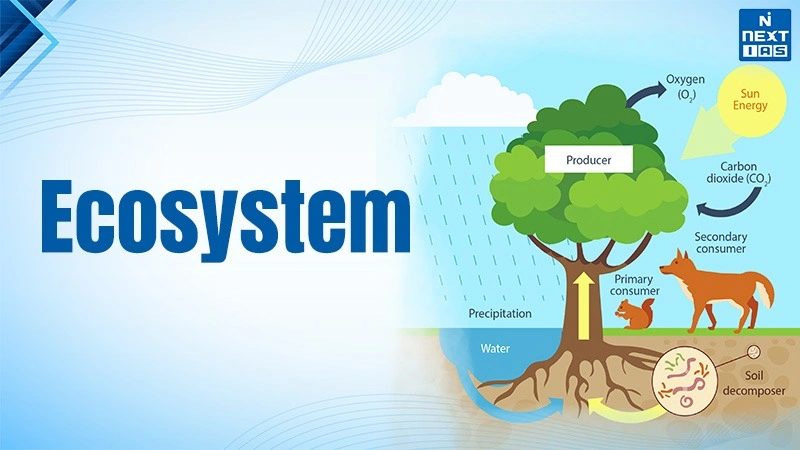
An ecosystem is a part of Biosphere where living organisms interact with non living organisms or with each other for their survival. There are 2 types of ecosystems: natural and artificial. The natural ecosystem evolves spontaneously without being created by man. Examples include forests, grasslands, deserts, rivers, lakes, oceans and wetlands. The artificial ecosystem is developed and maintained by man. Examples are crop fields, gardens, aquariums, reservoirs and urban parks. The producers, consumers and decomposers in the ecosystem play various roles.
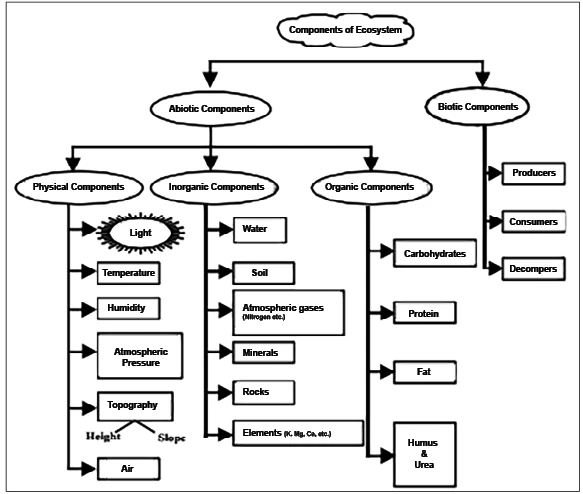
The components of the ecosystem include the Biotic or living component such as producers, consumers, decomposers and Abiotic or Non-living components like temperature, precipitation, soil, nitrogen and carbon. In the contemporary world, we calculate the value of the components of the ecosystem in the form of provisioning, such as providing food and timber, regulating like bees pollinating crops and supporting such as soil formation.
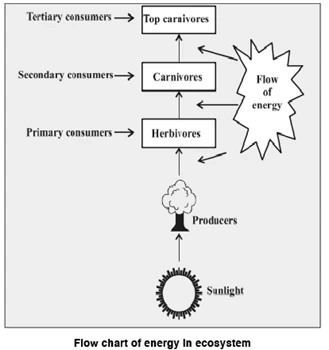
There are 4 essential functions of the ecosystem which include sunlight energy, primary production, energy flow in the food web, decomposition and recycling. According to Lindeman's law, about 90% of the energy flow is lost in the form of heat and just 10% of the energy gets transferred into the next trophic level.
What is an Ecosystem?
Ecosystem is an organismic unit of nature characterized by interaction between living things and their physical environment. An ecosystem comprises biotic elements like plants, animals, microorganisms and decomposers, and abiotic elements like sun, air, water, soil, temperature and minerals. These elements maintain the balance in the ecosystem due to the energy flow and nutrient cycle within it.
Abiotic & Biotic Components
- An ecosystem is a complex network of living organisms and their physical environment that functions together as a unit. It includes various components that interact through energy flows and nutrient cycles.
-
Various components of ecosystem can be categorised into the
following two components of ecosystem:
- Abiotic Components of Ecosystem: They include the non-living part of the ecosystem.
- Biotic Components of Ecosystem: They include living beings such as plants, animals, etc.
Interactions Among Abiotic & Biotic Components
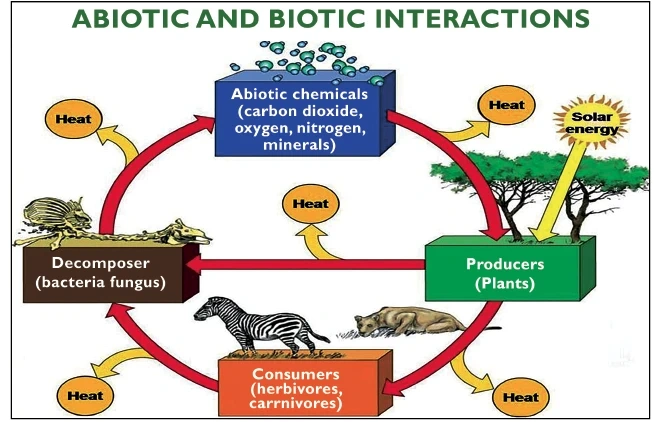
- All living organisms depend upon abiotic factors for food, shelter, and breeding sites.
- Plants utilize the abiotic factors or non-living components such as carbon dioxide, water and energy from the sun. The plants also get preyed on by herbivorous organisms or parasites.
- Moreover, plants are dependent on soil for its mineral nutrients and support which clearly shows the interaction of plants or biotic components with the abiotic components of the ecosystem.
Various Types of Ecosystem
- Terrestrial Ecosystems: This ecosystem thrives on land including forests, grasslands, desert, and mountain ecosystems. It contains many species of plants, animals, and microorganisms.
- Aquatic Ecosystems: This is the ecosystem that thrives in water including fresh water and marine ecosystems. It consists of many living organisms that survive in water.
- Forest Ecosystem: This type of ecosystem consists of lots of trees, many types of wildlife and microorganisms, with complex food chains and various ecological roles.
- Grassland Ecosystem: This is the ecosystem consisting of lots of grasses and herbs and contains many herbivorous, predatory, insect and microorganisms.
- Desert Ecosystem: This ecosystem is found in regions with low rainfall and contains specially adapted plants and animals. They survive in hot and dry conditions.
- Mountain Ecosystem: This ecosystem occurs in high elevations where the changing temperatures and altitude provide different habitats.
- Freshwater Ecosystem: This is the ecosystem found in rivers, lakes, streams and ponds where living things have adapted to life in low-salt water.
- Marine Ecosystem: This is the ecosystem found in oceans, seas, coral reefs, estuaries and consists of many different organisms.
Ecosystem Structure
- Producer: Producers like green plants and algae are autotrophs which make their own food using photosynthesis and form the basis of the majority of ecosystems.
- Primary Consumer: Primary consumers are herbivores and are organisms which consume the producers like deer, rabbits, grasshoppers, and zooplankton.
- Secondary Consumer: Secondary consumers consume the primary consumers and are animals like frogs, snakes, and carnivorous fish.
- Tertiary Consumer: Tertiary consumers are the topmost organisms of the chain and prey upon the secondary consumers like eagles, tigers, and big fishes.
- Decomposers: The decomposers like bacteria and fungi breakdown the dead organisms and return the nutrients to the soil.
- Trophic Level: The trophic level is the position where the organisms are present in terms of eating in the ecosystem starting from producers to consumers.
- Ecological Pyramid: Ecological pyramids are the representation of the numbers of organisms, their biomass, or their energy content in different trophic levels.
Major Threats for Ecosystem
- Deforestation: Due to the massive cutting down of trees results in destruction of habitats and loss of biological diversity. It also leads to soil erosion and affects carbon and water cycle.
- Pollution: Air, water and soil pollution brings about introduction of pollutants into ecosystems and affects flora, fauna, microbes and overall ecological balance.
- Climate change: Increasing temperature, altered rain pattern and occurrence of natural disasters affect habitats, disrupts ecosystems and threatens endangered species.
- Habitat Destruction: Converting forests, wetlands and grasslands into agricultural lands and construction sites results in reduction of habitats.
- Invasive species: Introduction of non-native species which spreads rapidly and out-competes local species.
- Overexploitation of Natural Resources: Over-hunting, over-fishing and over-extraction of resources depletes the population.
- Urbanization and Industrialization: Increase in urban and industrial centers which use up natural habitats and pollute.
List of India's Ecosystem
- Himalayan Ecosystem: The Himalayan ecosystem comprises of high mountains, glaciers, alpine meadows and alpine forests. This ecosystem provides habitat to the snow leopards, Himalayan monals, yaks, and a wide variety of medicinal plants.
- Forest Ecosystem: The forest ecosystems of India include tropical evergreen, deciduous, temperate and alpine forests.
- Desert Ecosystem: The Thar Desert is characterized by low rainfall, sandy soil and extreme climatic conditions. Some of the species which adapt to these conditions include great Indian bustard and desert fox.
- Grassland Ecosystem: The grasslands in India include a wide variety of animals such as grazing animals, birds, and vegetation species.
- Wetland Ecosystem: Wetlands include lakes, marshes, flood plains, and other wetlands. These ecosystems provide habitats for a large number of aquatic organisms and migratory birds, as well as regulate floods and water quality.
- Mangrove Ecosystem: The mangroves mostly occur in tropical and subtropical coastlines and river mouths.
- Coral Reef Ecosystem: The coral reef ecosystems mostly occur in Andaman & Nicobar Islands, Lakshadweep, as well as certain areas of Gulf of Mannar and Gulf of Kutch.
FAQs about Ecosystem
What is Ecosystem?
An ecosystem is a functional unit in which living organisms interact with themselves and the surroundings of a non-living environment in a particular region.
What are the types of Ecosystems?
The ecosystem is primarily divided into terrestrial and aquatic ecosystems.
What are the abiotic and biotic components of an ecosystem?
The biotic components include plants and animals whereas abiotic components include temperature, soil, water and air.
