
 80813-00200

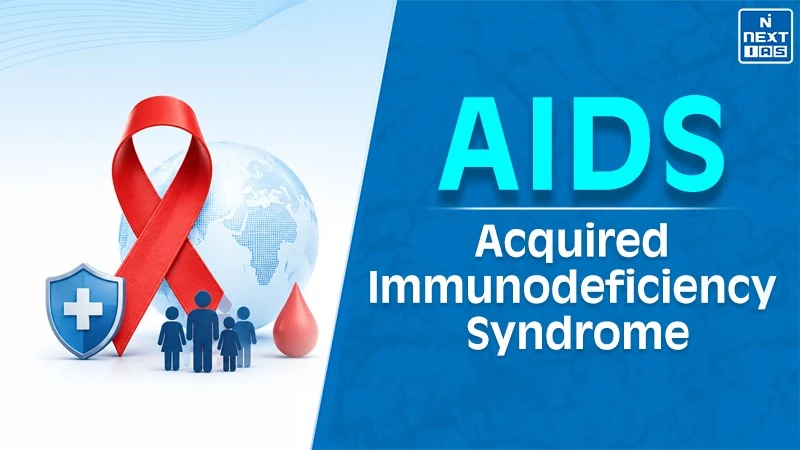
The full form of AIDS is Acquired Immuno Deficiency Syndrome. It is the advanced stage of the infection caused by Human Immuno Deficiency Virus (HIV). It can damage the immune system of an HIV infected person. AIDS was identified in 1981 when the virus was transferred from chimpanzees to human beings in central Africa. AIDS has no universal cure or treatment but Anti Retroviral Therapy or ART can suppress the virus to an 'undetectable level'. This can lead to the prevention of sexual transmission of HIV. Surprisingly, a few individuals such as a patient in Berlin Timothy Ray Brown was the 1st person in the world to be cured of AIDS through the stem cell transplant.
Causes of Acquired Immunodeficiency Syndrome
| S.No. | Causes | Explanation |
|---|---|---|
| 1 | HIV infection |
|
| 2 | Untreated or late diagnosis of HIV |
|
| 3 | Lack of Antiretroviral Therapy (ART) |
|
| 4 | High viral load |
|
| 5 | Co-infections (TB and Hepatitis) |
|
| 6 | Poor nutrition & weak health |
|
| 7 | Stigma & lack of awareness |
|
HIV Symptoms in Men
Among the men, an early exposure to HIV infection may cause symptoms of flu for about 2 to 4 weeks. It can further lead to fever, sore throat, rashes, fatigue, muscle pain and sweating at night. Few men may also experience mouth or genital ulcer. The weight loss, chronic diarrhoea, fever for a long time, infections such as TB, pneumonia, fungal infection. Men may suffer from swollen glands, high tiredness and reduced hunger. At the advanced stage of AIDS, the immune system is badly damaged. Men can become vulnerable to opportunistic infections such as pneumonia, brain infection, and cancer. The opportunistic infection is an illness caused by germs that do not harm the good immune system but may cause severe damage to the health when the immune system becomes weak. Further, the neurological symptoms such as memory loss, doubt or confusion and weakness can also appear. The testing for HIV at an early stage and Anti Retroviral Therapy (ART) may prevent these symptoms and can reduce the chances of AIDS.
Important Government Initiatives for HIV
| S.No. | Initiatives | Important Features |
|---|---|---|
| 1 | National AIDS and STD Control Programme (NACP) - Phase V (2021 to 26) |
|
| 2 | Test and Treat Policy |
|
| 3 | HIV or AIDS (Prevention and Control) Act, 2017 |
|
| 4 | Targeted Interventions (TIs) |
|
| 5 | Prevention of Parent-to-Child Transmission (PPTCT) |
|
| 6 | Mission Sampark & Community based Screening |
|
Preventions of AIDS
AIDS can be prevented by stopping or breaking the transmission of Human Immune Deficiency Virus (HIV). This can be done by an early diagnosis and beginning of the treatment. The important prevention measures are regular and appropriate use of protection during sexual activity and avoiding high risk sexual practices. There should be more use of sterile needles and syringes. The blood required for blood transfusion must be tested and checked properly for HIV. The Pre-exposure prophylaxis or PrEP for high risk HIV negative people and post-exposure prophylaxis or PEP within 72 hours after exposure to HIV, can reduce the risk of infection. The pregnant women must take regular HIV testing. In case they are found to be positive then the ART for mother and child can prevent mother-to-child transmission.
National AIDS Control Programme (NACP)
It is the flagship programme in India and implemented by the National AIDS Control Organization (NACO) under the Ministry of Health and Family Welfare. The programme prevents and controls HIV or AIDS and sexually transmitted infections.The programme is in phase V (2021 to 2026) and aims for the reduction of about 80% in new HIV infections and AIDS related deaths. This initiative prioritizes the high risk groups and integrates the prevention, testing, treatment, care and other support services. It includes test and treat, universal monitoring of Viral Load. Targeted Interventions (TIs), PPTCT, community based screening, Mission Sampark for lost patient tracing and transition to dolutegravir-based Anti Retroviral therapy (ART) recommended by the World Health Organization (WHO). The NACP also trains health workers and promotes the HIV or AIDS (Prevention and Control) Act of 2017 and helps in reducing the stigma. It ensures that the individual with HIV can access services with dignity and live a near-normal life span or expectancy.
FAQs about AIDS
What is the full form of AIDS?
AIDS full form is Acquired Immune Deficiency Syndrome. It is caused by the Human Immuno Deficiency Virus or popularly known as HIV.
When was AIDS noticed for the first time?
AIDS was first noticed and reported in 1981 among young men in the USA.
How is AIDS caused?
AIDS is caused by long-term untreated HIV infection that destroys the CD4 cells and weakens the immune system.
How is AIDS spread?
AIDS spread via HIV through unprotected sex and usage of contaminated needles. It can also be transferred from mother to child during pregnancy, delivery or breastfeeding.
