


Syllabus: GS3/Science and Technology
Context
- Researchers at Stanford University and the Arc Institute used artificial intelligence (AI) to design complete genomes of bacteriophages – viruses that infect bacteria.
Bacteriophages
- Bacteriophages (phages) are viruses that selectively target and kill bacteria.
- They are the most abundant commonly occurring natural entities, playing crucial roles in regulating bacterial populations and influencing microbial ecosystems.
- Phages are useful as they can destroy bacteria resistant to drugs such as antibiotics.
- Phages infect their bacterial hosts with great specificity. They do not infect human cells.
- Antimicrobial resistance (AMR) poses a serious global threat to our ability to treat bacterial infections, this has led to an interest in an older approach to treating microbial infections by using phages.
- Phage therapy can be a promising tool for controlling AMR, which is one of the top global public health and development threats.
AI Designed Phage
- An AI-designed phage successfully combined a viral protein with other genetic changes in a way that conventional engineering had struggled to achieve.
- Some were able to overcome bacterial resistance that defeated the original virus, for medicine, that creates remarkable opportunities.
- The significance is not simply that AI can propose individual mutations; it can explore combinations that would be extremely difficult for humans to test one by one.
Applications
- Phage Therapy: Antibiotic resistance is steadily eroding conventional treatment options, while bacteriophages offer another way of killing bacteria.
- Assistive Role: AI can assist the design of vaccine antigens, antibodies, therapeutic proteins and viral vectors used to deliver genetic treatments.
- Cancer Therapy: It may eventually help optimize oncolytic viruses that selectively attack cancer cells.
What is Virus?
- A virus is an infectious microbe consisting of a segment of nucleic acid (either DNA or RNA) surrounded by a protein coat called capsid.
- Viruses are not considered living organisms because they cannot carry out metabolic processes on their own.
- A virus cannot replicate alone; instead, it must infect cells and use components of the host cell to make copies of itself.
- Often, a virus ends up killing the host cell in the process, causing damage to the host organism.
- Well-known examples of viruses causing human disease include AIDS, COVID-19, measles and smallpox.
Genome
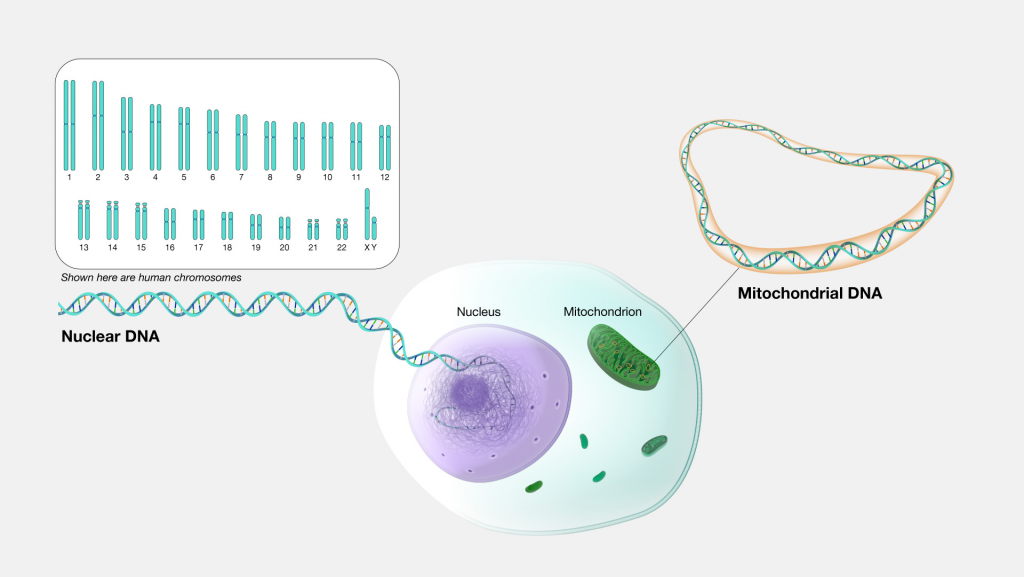
- The genome is the entire set of DNA instructions found in a cell.
- In humans, the genome consists of 23 pairs of chromosomes located in the cell’s nucleus, as well as a small chromosome in the cell’s mitochondria.
- A genome contains all the information needed for an individual to develop and function.
Way Ahead
- The Stanford experiment shows that AI can move from analysing biological information towards proposing biological designs that scientists can physically build.
- That capability could transform antimicrobial resistance research, vaccines and therapeutics.
- India must be capable not only of regulating and consuming this revolution, but of participating in its science and helping shape its safeguards.
Source: TH
Previous article
News In Short 22-08-2026
Next article
India’s Private Space Ecosystem
