


Syllabus: GS3/Science and Technology
Context
- Russia has unveiled EnteroMix, a new vaccine reported to show 100% efficacy in early clinical trials for cancer treatment.
About the Vaccine
- As per the Russian Federal Medical and Biological Agency (FMBA), the Russian EnteroMix cancer vaccine is now ready for clinical use.
- The oncolytic vaccine was developed by the Ministry of Health’s National Medical Research Radiology Centre (NMRRC) in collaboration with the Engelhardt Institute of Molecular Biology under the Russian Academy of Sciences.
- The mRNA-based vaccine had successfully passed preclinical trials, demonstrating both safety and high effectiveness.
- It is to shrink aggressive tumours, slow their growth, and do so without the harsh side effects of chemotherapy or radiation.
- The vaccine will be tailored to each patient’s RNA, making it a fully personalised therapy.
- How Vaccine Works: EnteroMix uses a combination of four harmless viruses to target and destroy cancer cells while simultaneously activating the body’s immune defences.
| What is Vaccination? – Vaccination stimulates the formation of an immune response to a particular pathogen. This gives the body a head start in the fight against disease in the event of a later exposure. – Vaccines based on killed or weakened viruses have long been available, exemplified by the vaccines against polio, measles, and yellow fever. 1. In 1951, Max Theiler was awarded the Nobel Prize in Physiology or Medicine for developing the yellow fever vaccine. – As technology evolved, instead of the whole virus, just a part of the viral genetic code began to be introduced through vaccines. 1. But the large-scale development of such vaccines requires cell culture (growing of cells under controlled conditions) and takes time. 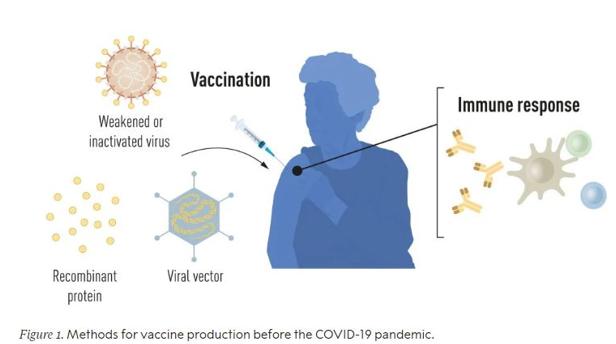 |
What are mRNA vaccines and how do they work?
- This technology had been known since the 1980s, but had not been perfected enough to create vaccines at a viable scale.
- Basically, instead of putting an inactivated virus in the body to activate an immune response, vaccines using this technology use messenger Ribonucleic Acid, or mRNA, to deliver a message to the immune system.
- Genetically engineered mRNA can instruct cells to make the protein needed to fight a particular virus.
- During Covid-19, this technology enabled scientists to rapidly design vaccines that prevented severe illness and death, making it a game-changer in modern medicine.
- mRNA does not alter human DNA, as it never enters the cell’s nucleus and is naturally broken down within days.
- With proven safety and effectiveness, researchers are now expanding the use of mRNA vaccines to other diseases, including flu and even personalised cancer treatments.
Significance of EnteroMix
- Fully personalized design: Each vaccine is crafted based on the genetic makeup of an individual’s tumour, improving target specificity and immune engagement.
- mRNA platform: This allows rapid development and scalability, something decades-long efforts in cancer vaccines have lacked. The mRNA-based method can also be adapted for different cancers quickly.
- For global patients: A shift from harsh treatments to safer, tailored immunotherapies could reduce side effects and improve outcomes.
- For India: With colorectal and cervical cancer among the leading causes of cancer mortality, access to an effective, personalized cancer vaccine could transform care, if cost, infrastructure, and regulatory support are in place.
Source: BS
Next article
India Need to Build Climate-Resilient Cities
