
 80813-00200


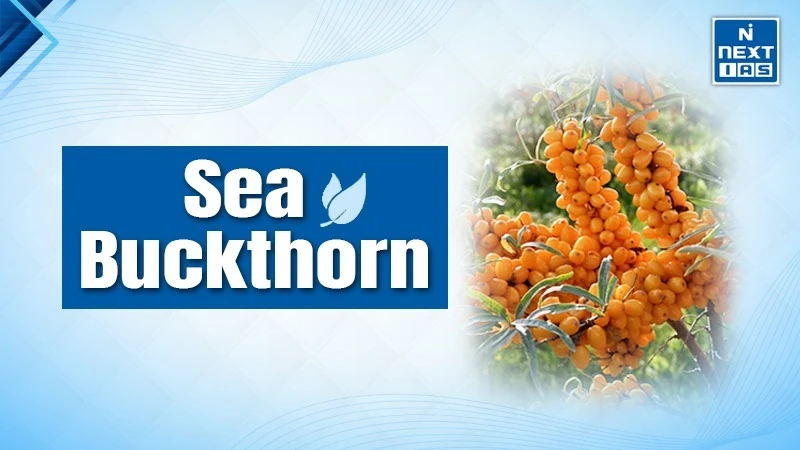
The Sea Buckthorn is not an animal but a fruit plant which is a deciduous, thorny shrub native to Eurasia and the Himalayas. The sea buckthorn is also referred to as the wonder plant, sea berry or gold of ladakh and also siberian pineapple because of its bright orange-yellow fruits. It is a rich source of natural nutrition and traditional herbal medicine. In addition, the sea buckthorn is a good soil stabilizer and can flourish in difficult conditions.
Importance of Sea Buckthorn
- Sea buckthorn is an important plant in the process of soil stabilisation.
- It stops soil erosion, controls river silting and encourages floral diversity.
- This plant has a deep and extensive root system which helps to bind the soil and keep it stable.
- Sea buckthorn can be used in the process of soil improvement through its symbiotic relationship with nitrogen-fixing bacteria.
- The plant has high medicinal values due to its use since ancient times in traditional medicine. It is composed of more than 100 bioactive components such as vitamin A, C, E, omega 3, 6, 7, 9 fatty acids, flavonoids, and antioxidants.
- It possesses antioxidant and anti-inflammatory effects and is useful in the treatment of burns, skin conditions and liver ailments.
- The sea buckthorn has been a commercial crop in India.
- The local and tribal communities grow sea buckthorn crops for consumption and medicinal purposes.
- The people collect the berries which is an income-generating activity for poor rural communities and helps prevent desertification.
- In India, sea buckthorn is considered as a priority plant species by the Indian government.
Climate and Soil Requirements
The crops require a particular range of temperature, rainfall, sunlight and type of soil for its growth. The temperature determines the growth season such as Rice requires 20 to 35°C with high humidity.
- Sea Buckthorn is a cold desert shrub which is adapted to the high altitude Himalayan temperatures. The plant grows at 2,500 to 4,500 metres of altitude, -40 to 40°C of temperature and survives with very low annual rainfall of about 250 to 600 mm.
- The plant prefers bright sunlight, strong winds and a short, cool growing season. It is highly drought resistant and can grow in low precipitation regions.
- The soil best suited for Sea Buckthorn is a well-drained and sandy soil in hilly regions. The nitrogen fixing ability of this plant enables it to colonise nutrient poor areas and make it suitable for soil conservation and afforestation in cold arid regions.
Nutritional Value of Sea Buckthorn
| S.No. | Nutrient Category | Components |
|---|---|---|
| 1 | Calories | Energy |
| 2 | Macronutrients | Carbohydrates, Protein, Fat, Fiber, Cholesterol |
| 3 | Vitamins | Vitamin A, C, Vitamin B1 (Thiamine), Vitamin B2 (Riboflavin), Vitamin B6, Vitamin E, Beta-carotene |
| 4 | Fatty Acids | Omega-3,6,7,9, Palmitoleic acid, Gamma-linolenic acid |
| 5 | Minerals | Potassium, Calcium, Iron, Sodium |
| 6 | Antioxidants | Flavonoids, Polyphenols, Carotenoids, Lipophilic antioxidants, Hydrophilic antioxidants |
| 7 | Other Compounds | Bioactive compounds, Amino acids |
Medicinal Benefits of this Fruit Plant
The Sea Buckthorn has many essential medicinal benefits. Some of them are mentioned below.
- Burns Treatment: The cream which contains the sea buckthorn provides a useful remedy for faster burn wound healing.
- Skin Protection: It is effective in offering protection from UV rays, aging, and preventing dryness and wrinkles.
- Healthy Heart: The Sea buckthorn oil is rich in omega-3, 6, 7, and 9 fatty acids. It can also reduce the cholesterol levels and inflammation in the heart.
- Protection of Liver: The sea buckthorn provides a protective liver in animals. It accelerates fast tissue repair and prevents the accumulation of fats.
- Anti-oxidant and Anti-inflammatory benefits: Sea Buckthorn has more than 100 active components with high anti-oxidant, anti-inflammatory, and anti-carcinogenic properties.
Geographic Distribution of Sea Berry
The detailed geographical distribution of sea buckthorn are given in the table below.
| S.No. | Region | Distribution Details |
|---|---|---|
| 1 | Indian Himalayas |
|
| 2 | Asia |
|
| 3 | Europe |
|
| 4 | North America |
|
| 5 | Global Range |
|
| 6 | Most Concentrated Areas Globally |
|
FAQs about Sea Buckthorn
What is sea buckthorn?
Sea buckthorn is an orange berry plant or shrub.
In which parts of India does sea buckthorn grow?
Sea buckthorn grows naturally in 5 himalayan states at an altitude between 2,000 to 4,300 meters.
What makes sea buckthorn nutritionally unique?
It has over 100 bioactive substances such as omega-7 fatty acid, very high vitamin C with complete fatty acids omega-3, 6, 7, 9 all together.
What are the major health benefits of sea buckthorn?
The sea buckthorn oil can help in healing burns, protect skin against harmful effects of UV rays, slow down aging process, reduce cholesterol, improve cardiovascular health and act as an antioxidant and anti-inflammatory agent.
Who should not use sea buckthorn?
Sea buckthorn is not safe for pregnant or breastfeeding women, people with bleeding disorder and 2 weeks before surgery.
What are the benefits of Seabuckthorn juice?
Seabuckthorn juice benefits include the ability to improve the body’s immunity and is also useful for heart and skin health.
