
 80813-00200


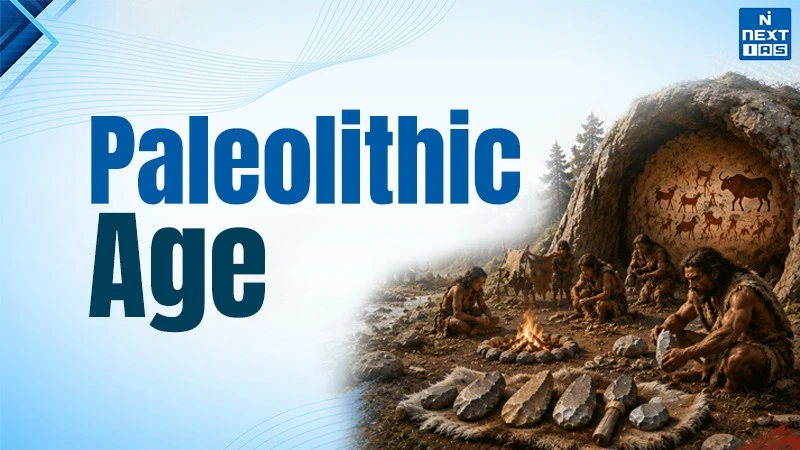
The Paleolithic Age or the Old Stone Age is the oldest and longest period in ancient history before writing actually began. The period lasted from about 2.5 million years ago to about 10,000 B.C.E. The Paleolithic Age is characterized by the beginning of the use and development of stone tools. The people in the period were living as hunters and gatherers in small groups.
Time Period of Lower, Middle and Upper Paleolithic Age
| S.No. | Feature | Lower Paleolithic | Middle Paleolithic | Upper Paleolithic |
|---|---|---|---|---|
| 1 | Time span (approx.) | 2.5 million – 250,000 years ago | 250,000 – 30,000 years ago | 30,000 – 10,000 BCE |
| 2 | Main hominins | Homo habilis, Homo erectus | Neanderthals, early Homo sapiens | Modern Homo sapiens |
| 3 | Tool Used | Choppers, hand axes, cleavers (heavy-duty core tools) | Flake tools, scrapers, points (more refined) | Blade tools, burins, needles, specialised implements |
| 4 | Technology | Simple core-and-flake methods | Prepared-core techniques such as Levallois | Blade technology, composite tools, bone or antler usage. |
| 5 | Subsistence | Hunting large animals, gathering, scavenging | Organised hunting, broader diet | Efficient hunting, fishing, diverse food procurement |
| 6 | Cultural traits | Basic camps, fire use in later phase | Improved shelters, burial practices | Art, ornamentation, ritual, complex social structures |
Culture of Paleolithic People
- The Paleolithic people used to live in very small groups whose movements were characterized by the search for sources of food, water, and shelter. They used to hunt for animals, fishing, and gathering plant products such as fruits, nuts, roots, and seeds. The Paleolithic men used to lead the hunting process whereas women and children would gather plant food.
- Fire was an important invention that provided warmth and helped them protect themselves from the danger of predators. It also helped them cook their food, improving their nutrition and social gatherings around the fire. Their temporary homes were made up of wood, bones, and animal skins. Their social organization was fairly equal, and they used collective decision-making.
- Communication evolved with the development of more language forms. It began cooperation in hunting, planning movement and passing down information. The appearance of burial practices, ochre and body decorations during the later stages point to signs of symbolism, group affiliation and religion.
- In general, the Paleolithic culture was defined by mobility and adaptation along with the reliance on nature.
Paleolithic Art
- Paleolithic art became widespread during the Upper Paleolithic period. The most famous pieces of art belong to the European cave paintings such as Lascaux, Chauvet, and Altamira. These cave paintings portray animals including deer, horses, bison, and mammoths.
- The pigments which were used to create the images came from natural materials such as ochre, charcoal, and manganese. They were mixed with a binding agent prior to their application by brush painting, air blowing, or hand painting on cave walls and ceilings.
- Most of the drawings have been found in secluded chambers. It meant that they had some symbolic or ritual value and were not created simply as decorations. Other images include various carved objects and figurines such as the famous 'Venus' figurines.
- The portable art included the decorated tools, bone or antler carvings, and shell, tooth, and bone ornaments worn by individuals. Such items speak of aesthetic perception, social communication, and possibly group identification.
- The prevalence of art in particular areas reveals a lot about cognitive evolution, social development, and possibly shamanistic activities.
Tools in Old Stone Paleolithic Age
- The stone toolmaking distinguishes the Paleolithic age. In the Lower Paleolithic period, the primitive men made the tools from rocks like quartzite and basalt. The tools such as choppers, hand-axes, and cleavers with direct percussion were used by them. Such tools had a variety of usages including cutting of meat, fracturing bones, working with wood, and digging the earth.
- The advancements in the tool technology occurred in the Middle Paleolithic period in the making of flakes by utilizing the Levallois technique. It is a stone flanking method used in the period to create sharp flakes of a planned size and shape.
- During the Upper Paleolithic period, there was a development of technological inventions in the production of long and slender blades. These blades were later used to produce different tools such as burins, awls, needles, and spearheads. Additionally, bones, horns, and ivory were used to produce tools, ornaments, and weapons for sewing clothes and fishing tools.
- These tools had several usages including hunting, butchering, skinning, and woodworking.
FAQs about Paleolithic Period
What is the paleolithic age?
The paleolithic age or old stone age was the earliest and longest period of pre-historic period. It began about 2.5 million years ago and lasted till about 10,000 B.C.E.
What is the period of the middle paleolithic age?
The middle paleolithic period was from about 250,000 to about 30,000 years ago.
Was fire discovered in the paleolithic age?
Yes, the use of fire began in the lower paleolithic age about 1 to 1.5 million years ago. Fire provided them warmth, protection from wild animals and cooking food.
How do Lower and Upper Paleolithic tools differ?
The Lower Paleolithic tools were heavy core tools such as hand axes and choppers while the Upper Paleolithic tools were sophisticated blades which included items such as burins, needles and composite tools made of stone, bone, and antlers.
How did the Paleolithic people acquire food?
They were hunter-gatherers and depended on hunting wild animals, fishing and gathering plant materials such as fruits and nuts.
