
 80813-00200


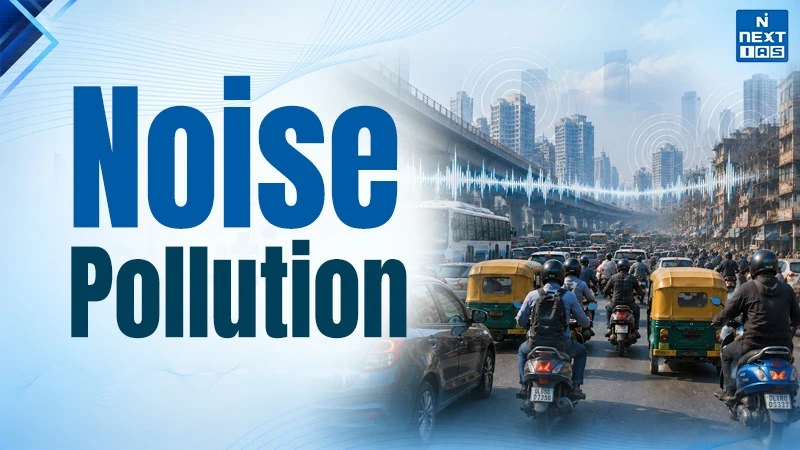
Noise Pollution is the unwanted and disturbing sound in the environment which affects the health and well being of living organisms. It has more psychological impacts than physical. The sound gets converted into noise when it crosses 65 to 70 db or decibels, above which the sound affects human hearing ability drastically. With rapid urbanisation, noise pollution has become a serious issue to be addressed.
The sources of Noise Pollution can be divided into two types namely Indoor and Outdoor sources. Transportation which includes road, railway and aircraft, Industrial activity, construction works, use of Loudspeakers and firecrackers, socio-cultural events are the primary cause of outdoor noise pollution. House appliances like a television or a vacuum cleaner also contribute to indoor Noise Pollution.
Noise Pollution can be minimised by public awareness and participation relating to the rational use of sound in residential, commercial, industrial noise levels and obeying 'silence hours' from 10 pm to 6 am. Additionally, Placing noise barriers like planting heavy rows of trees as they are natural noise absorbers, installing sound walls beside busy highways and Railway tracks, and soundproofing in offices and houses.
Types of Noise Pollution
| S.No. | Types | Sources | Examples | Characteristics |
|---|---|---|---|---|
| 1 | Transport noise |
|
|
|
| 2 | Industrial noise |
|
|
|
| 3 | Construction noise |
|
|
|
| 4 | Domestic noise |
|
|
|
| Commercial noise |
|
|
|
|
| 6 | Recreational noise |
|
|
|
| 7 | Agricultural noise |
|
|
|
| 8 | Natural noise |
|
|
|
Causes of Noise Pollution
- The major cause of the noise pollution is the transportation including road traffic, engines of vehicles, sirens, railway, aircraft, and ships.
- The construction activities are another cause of noise pollution which includes concrete mixing, wall drilling, bulldozers, and road works.
- The industrial activities in factories, mines, power plants, and workshops generate high levels of noise through heavy machinery, compressors, turbines, and ventilation systems.
- In many residential areas the major cause of noise pollution occurs due to loudspeaker, music system, public event, and religious gathering. The sound of firecrackers particularly at the time of festivals such as Diwali, causes noise pollution.
- The fast growing urbanization in cities, road congestion, poor land planning, lack of vehicle maintenance and other machines, non-compliance of noise regulations, and limited green zones can further increase noise pollution.
- The World Health Organization (WHO) identifies the traffic on roads, railways, aircraft, wind turbines, and leisure activities as the essential causes of noise pollution.
Effects of Noise Pollution
- Noise pollution generally affects the physical and mental well-being of humans. The prolonged exposure to high levels of noise can damage the inner ear resulting in hearing loss, tinnitus, and difficulty in understanding speech.
- The sound or noise at the night time can disrupt the sleep cycle resulting in fatigue, irritability, reduced concentration and productivity in study or work including poor mental health.
- The continuous exposure to noise pollution can take the form of stress, increased blood pressure and risk of cardiovascular diseases.
- It may lead to reduced learning and reading levels, particularly among children who are exposed to heavy traffic or aircraft noise. It may disrupt communication, increase mistakes and accidents at workplaces.
- The vulnerable groups of people include children, older people, patients in the hospitals, and people with existing health problems are severely affected.
- It may lead to wildlife experiencing the disruption while feeding, mating, migration, and communication patterns.
- According to the World Health Organization (WHO), the noise pollution can lead to cognitive impairment and heart related health issues.
FAQs about Dhwani Pradushan
What is Noise Pollution?
Noise Pollution is unwanted or excessive sound which disrupts normal activities and harms human health or the surrounding environment.
Why is Noise Pollution regarded as harmful for human beings?
Noise Pollution is regarded as harmful for human beings as the prolonged noise exposure can cause hearing impairment, sleep disorder, stress, less concentration, and increased cardiovascular health risks.
How to control Noise Pollution?
We can control noise pollution by restricting loudspeakers and horns, enforcing time limitations, installing sound barriers, planting green belts, and utilizing ear protection.
What are the causes of Noise Pollution?
The major causes of Noise Pollution includes the traffic on roads, aircraft, trains, industries, construction, generators, loudspeakers, amplified music, fireworks, and appliances at home such as Television and Mixer Grinder.
