
 80813-00200


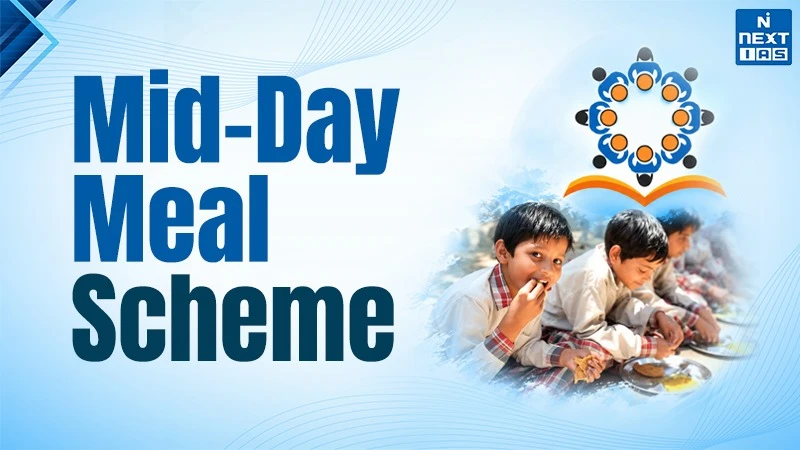
Mid-day meal is a government scheme is also called PM POSHAN (Pradhan Mantri Poshan Shakti Nirman). It was launched in 1995, formerly known as the National Programme of Mid-Day Meals in Schools. The primary reason of introducing the midday meal scheme was to increase new enrolments and attendance ratios to improve the education and nutritional health of the children. The main beneficiaries of the scheme are targeted Children studying in Classes 1 to 8, as well as Bal Vatikas / pre-primary. They should be from government, government-aided schools and local body schools, special training centres, madrasas, and maqtabs.
History and Evolution
The Mid-day Meal Scheme of India was introduced on 15 August 1995 with the name of the National Programme of Nutritional Support to Primary Education (NP-NSPE). This programme initially catered to 2,408 blocks. In 2001, the Supreme Court ordered states to provide midday meals to government and government aided primary schools.
In 2004, the programme was revised and now the programme aims at providing nutritious cooked meals and provision for cooking cost and transport has been enhanced. In 2007-08, the programme was further extended to upper-primary classes.
From 2008-09, it now covers all eligible primary and upper-primary students across the country. In September 2021, it has been renamed Pradhan Mantri Poshan Shakti Nirman (PM POSHAN). The scheme made provisions for children of Bal Vatika, community participation through Tithi Bhojan, and school nutrition gardens.
Objective of Mid Day Meal Scheme
- Better Nutrition: Providing healthy food to overcome problems of hunger, undernutrition, and malnutrition faced by schoolchildren.
- Higher Enrolment and Attendance Rate: Motivating the kids, especially those who come from weaker sections of society, to join schools and attend classes.
- Reduction in Hunger During Classes: Making sure that the kids get food during their school time so that hunger does not stop them from learning.
- Social Inclusion: Promoting eating habits among children belonging to different castes, religions, and economic statuses.
- Learning and Development of Children: Helping in concentration and development of children.
Key Features
The main key features of the Mid Day Meal Scheme are:
- Eligibility and Target Group: Provides one hot cooked meal on working days in schools to the eligible children in Bal Vatika and Classes I to VIII in government and government-aided schools.
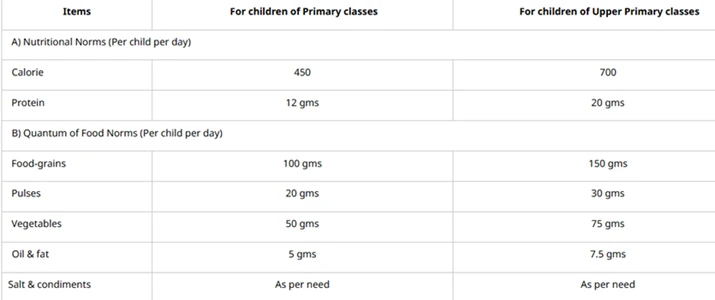
- Nutritional Criteria: The scheme gives meals which contain 450 calories and 12 grams of proteins to the students of the primary classes and 700 calories and 20 grams of proteins to the upper primary class students. Prescribed food grains, pulses, vegetables and oil maintain the nutritional balance.
- Finance by Government: Being a centrally sponsored scheme, it is funded jointly by the Central Government and the State governments or Union Territory administrations. It includes the finance for food grains, cooking expenses, transport and cook cum helpers.
- Implementation and Participation of the Community: The schools arrange for the preparation and distribution of meals whereas the government authorities monitor its implementation. School Nutrition Garden and Tithi Bhojan facilitate the participation of the community.
Significance of the Scheme
- Nutritional Security: Cooked meals to eligible schoolchildren that help mitigate classroom hunger, undernourishment, and malnutrition problems. Nutritional security aids the physical development and general health of the children.
- Enhanced Learning: Helps mitigate hunger among children at school time, which aids children's concentration in class. Through ensuring enrollment, attendance, and retention in schools, the scheme helps ensure the provision of elementary education.
- Gender Equality: Free school meals help incentivize parents to enroll their daughters in school and thereby ensure that there is equality in terms of enrollment and attendance between boys and girls. This scheme also creates job opportunities for women as cooks and helpers in school.
- Social Inclusion: Helps create an environment in schools where children from diverse castes, religion, and socio-economic backgrounds eat together. This can help foster social harmony and equality among students through minimizing discriminatory practices.
- Helping Disadvantaged Households: Through the provision of a free meal at school, the scheme provides nutritional support to children from economically disadvantaged households.
Major Challenges in Implementation
- Poor Infrastructure: Absence of proper infrastructure like kitchens, storerooms, availability of clean water and cooking equipment is the reason behind making meals difficult to prepare.
- Food Quality and Hygiene Problem: Poor handling of food, poor hygienic quality of food and absence of proper controls can lead to unhealthy food being prepared which might pose danger to kids eating the meals.
- Lack of Availability of Resources: Delay in arrival of food stuffs like cereals, vegetables, pulses, and money needed to prepare food can affect food preparation process.
- Poor Monitoring and Supervision: Poor monitoring and supervision, lack of proper mechanisms to resolve complaints and poor participation from community members can lead to problems regarding provision of meals.
- Disparity among Various Areas: Disparity among areas may arise due to poor administration, poor infrastructure, lack of funds, and lack of proper resources.
- Poor Staffing: Poor staffing in terms of cooks and helpers, low wages of cooks and rise in prices of raw material can be problems.
Government Initiatives to Improve Mid Day Meal
- Nutrition and Food Safety Measures: Nutritional norms state the amount of energy and protein needs of various age categories. Food safety guidelines lay stress on food hygiene, proper storage, safe drinking water, and quality tests.
- Kitchen Infrastructure: Funding is provided for kitchen-cum-stores, cooking implements, and other facilities that would allow safe and efficient meal preparation in schools.
- Community Participation: Various measures like Tithi Bhojan motivate community members to give special meals during important occasions. School Nutrition Gardens are created to create awareness regarding the benefits of fresh vegetables and good nutrition.
- Monitoring and Social Audits: The government uses methods such as inspection, monitoring through report cards, and social audit to improve accountability. Community participation and grievances mechanisms can also help locate areas where implementation is missing.
- Convergence with Other Nutrition Programs: PM POSHAN compliments other measures like Saksham Anganwadi and POSHAN 2.0 to fulfill nutritional goals. Cooperation with the school health programs can further ensure hygiene and healthy living.
FAQs
What is the Mid-Day Meal Scheme?
The Mid-Day Meal Scheme is also known as PM POSHAN. It is a scheme that offers cooked meals to qualifying students to ensure better nutrition and educational performance.
When was the Mid-Day Meal Scheme introduced in India?
It was launched on 15 August 1995 as the National Program of Nutritional Support to Primary Education.
What is the primary aim of the PM POSHAN Scheme?
The major aim of the scheme is to enhance the nutritional status of the children, along with motivating school enrollment, attendance, and retention.
Who are the beneficiaries of the PM POSHAN Scheme?
Children who qualify and study at Bal Vatika and Classes I-VIII of Government and Government-Aided schools are beneficiaries of the scheme.
How does the Mid-Day Meal Scheme promote social equality?
This is achieved by ensuring that children from all classes and social backgrounds sit and have their food together.
