
 80813-00200


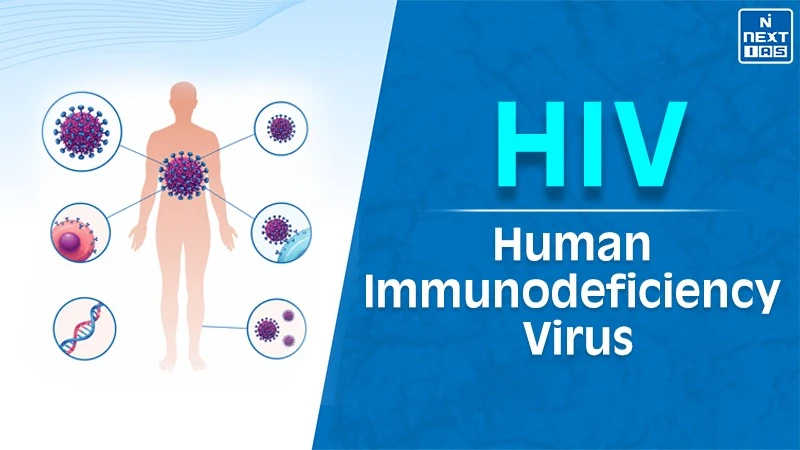
The HIV full form is Human Immunodeficiency Virus. It is a virus that attacks the immune system and makes it difficult for it to fight against infections and diseases. This virus is transmitted through body fluids like blood, semen, vaginal fluids, rectal fluids, and breast milk. It is not transmitted by kissing, hugging, shaking hands, sharing food and drinks, or mosquitoes.
Untreated HIV affects the immune system to such an extent that it may eventually lead to AIDS (Acquired Immunodeficiency Syndrome). HIV-infected individuals can receive medical assistance in the form of therapy, which will help them to keep the disease under control and live their normal lives. Moreover, with appropriate treatment, it becomes possible to make the amount of HIV undetectable in order to eliminate any possibility of transmitting it through sex.
Difference Between HIV and AIDS
HIV is the real virus that infects your body. AIDS is the latter stage of this illness, which causes severe damage to the body. When you become infected with HIV, it means that you have HIV; however, you will not progress to AIDS unless your immune system becomes very damaged or you acquire certain illnesses. With modern treatments, people with HIV now enjoy healthy lives and do not develop AIDS.
How is HIV Transmitted?
The transmission modes of HIV involve the exchange of particular bodily fluids such as blood, semen, vaginal fluid, rectal fluid, and breast milk. Some of the common modes of transmission of HIV include unprotected sexual intercourse, sharing of contaminated needles or syringes, and transmission from the HIV infected mother to her newborn infant during pregnancy, delivery, and breastfeeding in the absence of adequate treatment. In some exceptional cases, transmission of HIV may occur due to blood transfusion where the donated blood is not screened adequately. One should be aware of the fact that HIV cannot be transmitted through hugging, kissing, eating and drinking from the same utensils, coughing, sneezing, sitting on a toilet seat, and mosquito bites.
Symptoms of Human Immunodeficiency Virus
HIV symptoms depend upon the stage of HIV that one has contracted. Early symptoms include flu symptoms such as high body temperature, throat pain, fatigue, swollen lymph nodes, headaches, and skin rash. Later, it goes through an asymptomatic stage during which a person feels healthy with no signs of any problem, although the virus attacks their immune system. In advanced stages of HIV, a patient loses a lot of weight and suffers from a fever, chronic diarrhea, various infections, and exhaustion. Testing for HIV needs to be done regularly since early detection helps treat HIV effectively.
HIV Diagnosis, Treatment and Prevention
HIV diagnosis involves testing the blood or oral fluids for the presence of the virus or the antibodies created to combat it. Any person who has engaged in unprotected sexual activities, used shared needles, or thinks he/she might be infected needs to get tested for HIV in accordance with the doctor's guidelines. Early testing is crucial since early treatment prevents the virus from damaging the immune system.
Antiretroviral Therapy (ART) is one of the main approaches to HIV treatment involving taking medicines that will lower the quantity of the virus in the body. This therapy will help prevent further damage to the immune system, prevent the development of AIDS, and let people with HIV to have long and fulfilling lives.
HIV prevention includes engaging in safe sex practices, regular testing for the virus, avoiding needles' sharing, and using PrEP/PEP where necessary. It also includes proper medical supervision during pregnancy.
FAQs about HIV
Is HIV curable?
No. There is no cure for HIV at the moment, but through antiretroviral treatment, HIV can be managed effectively, and people can lead normal and healthy lives.
Can HIV-positive people give birth?
Yes. Through proper medical supervision and medication, people living with HIV can have children that are not infected with HIV.
