
 80813-00200


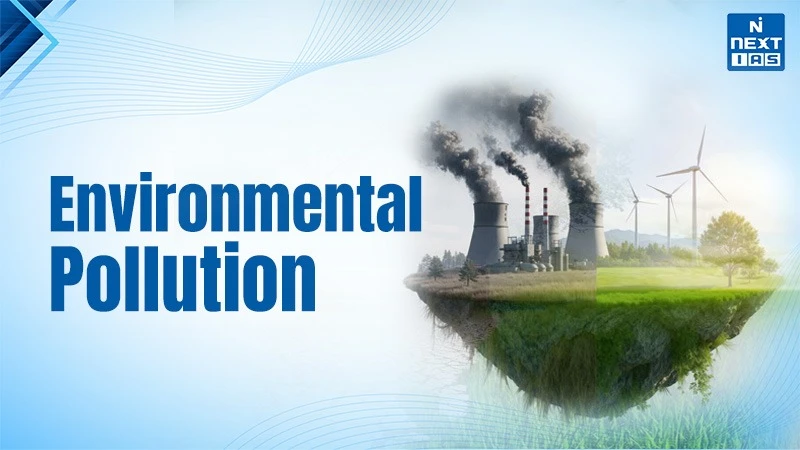
Environmental pollution includes water pollution, air pollution, soil pollution, and other types of pollution. It is caused by artificial or man-made sources like agriculture, industry, and waste disposal, etc. It impacts human health, ecosystems, and the overall well-being of our planet. Environmental pollution has emerged as one of the most pressing challenges of the 21st century. Skyglow or light pollution affects 80% of the world's population, it obscures stars, disrupts nocturnal ecosystems of birds and human health too.
It can also be defined as the introduction of harmful substances like sulfur dioxide, carbon dioxide or pollutants such as black carbon, mercury, particulate matter into the natural environment such as air, water, and soil causes adverse environmental changes that degrade ecosystems, reduce biodiversity, and threaten human health by causing diseases like cancer and respiratory issues.
Some Historical "Weird" Pollution Facts such as The Lake of Death: Lake Karachay in Russia is often called the most polluted place on Earth. Nutrient-heavy eutrophication suffocates oceans while "forever chemicals" (PFAS) infiltrate our biology. Black carbon particles cover glaciers which results in the loss of albedo effect and transforms ice into a material that absorbs heat. We're essentially seasoning our planet with toxic persistence and accelerated melting.
Types of Environmental Pollution
| S.No. | Type of pollution | Main sources | Key affected part of environment | Major Impacts |
|---|---|---|---|---|
| 1 | Air Pollution |
|
|
|
| 2 | Water Pollution |
|
|
|
| 3 | Soil (Land) Pollution |
|
|
|
| 4 | Noise Pollution |
|
|
|
| 5 | Thermal Pollution |
|
|
|
| 6 | Radioactive (Nuclear) Pollution |
|
|
|
| 7 | Plastic Pollution |
|
|
|
| 8 | Light Pollution |
|
|
|
- Environmental pollution and its types can be categorised into several types based on the nature of the pollutants and the media they affect.
- Some of the major types of environmental pollution are described below.
Air Pollution
- Air pollution is the contamination of the air with harmful components that can have negative impacts on human health, the environment, and even weather conditions.
- Air pollution happens because of the emission of harmful gases and dust particles into the air.
- Air pollution causes diseases such as respiratory disorders and heart disease, and other global issues including acid rain and climate change.
Water Pollution
- Water Pollution is described as the introduction of harmful substances to water resources like rivers, lakes, and seas through pollution from various sources like factories, sewage, farm waste, and oil spills.
- Water Pollution happens through pollution of the water resources, which causes deterioration of the quality of water.
- Sources of Water Pollution include Industrial effluents, agricultural run-off, and domestic sewage cause Water Pollution.
- Water pollution creates adverse effects on the life of the aquatic system and humans as well; for instance, pollution with nutrients leads to eutrophication causing excessive growth of algae.
Soil Pollution
- Soil Pollution refers to soil contamination with harmful substances, including heavy metals, pesticides, and industrial waste.
- Major sources of soil pollution include – the deposition of hazardous chemicals, heavy metals, and waste on land.
- Major types of Soil pollution include chemical pollution (fertilisers, pesticides), Industrial waste pollution, and Solid waste pollution etc.
- Soil pollution reduces soil fertility, contaminates crops, and affects food security.
Noise Pollution
- Noise Pollution refers to excessive noise that can adversely affect human health and wildlife.
- It include noise from industrial activities, traffic, construction, and urbanisation.
Thermal Pollution
- Thermal Pollution is defined as the sudden increase or decrease in the temperature of a natural body of water, such as an ocean, lake, river, or pond.
- Thermal Pollution leads to several issues in the aquatic ecosystem, such as decreased Dissolved Oxygen (DO) levels, algae growth, and a surge in toxins.
Radioactive Pollution
- Nuclear Pollution or Radiation Pollution can be defined as the release of high-energy particles into the air, water or surface. It damages genetic material and causes long-term health effects.
- It is caused by radioactive materials contaminating the environment by decaying natural or anthropogenic activities.
- Breaches at nuclear power plants, scientific laboratories, chemical spills, etc, are some of the prominent causes of Nuclear Pollution or Radiation Pollution.
- Radiation modifies and destroys cells and genetic materials in living organisms, resulting in ill impacts on health.
Marine Pollution
- Marine Pollution can be defined as the introduction of substances to the marine environment directly or indirectly by humans, resulting in adverse effects such as hazards to human health, obstruction of marine activities and lowering the quality of seawater.
- Waste and sewage from different sources, such as industries, residences, etc, are directly discharged into the sea and are the primary sources of marine and environmental pollution.
- It affects the flora and fauna of the marine environment.
Light Pollution
- Light Pollution refers to excessive artificial light that can disrupt ecosystems and nocturnal activities.
- The Effects of light pollution include disturbance to wildlife, sleep disorders in humans, and interference with astronomical observations.
- It contributes to energy waste and interferes with astronomical observations.
Causes of Pollution in the Environment
The causes are based on the following factors:
- Rapid Industrialisation
- The concentration of industries in urban areas releases Industrial pollution into the air, water, and soil, causing environmental pollution.
- The rapid pace of urbanisation also increases waste generation and resource consumption, exacerbating pollution and causing severe effects.
- Industries also generate hazardous wastes in many forms, including liquids, solids, gases, biomedical waste and sludge.
- Rapid Urbanization
- The increased pace of urbanisation in recent times has led to worsening pollution.
- It creates issues such as deforestation and habitat loss, increased emissions and waste generation, etc.
- Increased waste and vehicular density contribute significantly to the sources of air pollution.
- Forest Fires
- The frequency of forest fires or wildfires has increased because of human actions, such as land clearing, encroachment, etc.
- These wildfires are a huge source of pollution, adding large amounts of gaseous and other pollutants to the environment.
- Improper Agricultural Practices
- According to the IPCC report, the agriculture sector produces at least 23 per cent of global greenhouse gas emissions (second only to the energy sector).
- Using chemical fertilisers, pesticides, and herbicides in agriculture contributes to soil and water pollution and environmental pollution.
- Intensive farming practices also lead to deforestation, soil erosion, habitat destruction and environmental pollution.
- Deforestation
- Deforestation refers to the decrease in forest areas worldwide that are lost for other uses, such as agricultural croplands, urbanisation, or mining activities.
- This causes an imbalance in the local ecology and reduces nature's capability to absorb pollutants, leading to pollution.
- Other Causes
- Other prominent causes include continued reliance on fossil fuels, vehicular emissions, and improper waste management.
Types of Pollutants
Pollutants can be categorised into various types based on different parameters, as shown below.
Based on Nature of Disposal
Based on the nature of disposal, pollutants are of the following two types:
Non-Biodegradable Pollutants
- Pollutants that cannot be broken down into simpler, harmless substances in nature are called non-biodegradable pollutants.
- For example, DDT, plastics, polythene, insecticides, pesticides, mercury, lead, arsenic, aluminium cans, synthetic fibres, glass objects, iron products, silver foils, etc.
- Through bioaccumulation and biomagnification, these pollutants may appear in greater concentration as we move along the higher tropics of the food chain.
Biodegradable Pollutants
- Biodegradable Pollutants can be broken down into simpler, harmless substances in nature over time.
- For example, domestic wastes, urine, faecal matter, sewage, agriculture residues, paper, wood, cloth, cattle dung, animal bones, Biomedical waste, leather, wool, vegetable stuff or plants etc. if treated correctly.
Based on Form of Persistence
Depending upon the form in which they persist after being released into the environment, the pollutants are categorised into the following two types:
Primary Pollutants
- Primary Pollutants are those emitted directly from the source and persist in the environment in the form in which they were added.
- Examples: ash, smoke, fumes, dust, nitric oxide, sulphur dioxide, hydrocarbons, etc.
Secondary Pollutants
- Secondary Pollutants are formed from primary pollutants by chemical interaction with some constituents present in the atmosphere.
- Examples are Sulphur trioxide, nitrogen dioxide, aldehydes, ketones, ozone, Acid rain etc.
Based on Nature of Pollutants
Depending upon their existence in nature, pollutants are of the following two types:
Quantitative Pollutants
- These substances normally occur in the environment but acquire the status of pollutant when their concentration increases due to human unmindfulness.
- For example, Carbon Dioxide (CO2), one of the primary Greenhouse gases.
Qualitative Pollutants
- These substances do not usually occur in nature but are added by man.
- For example, insecticides.
Consequences of Environment Pollution
There are various consequences of environmental pollution as follows:
- Public Health
- Pollution is a major factor contributing to illnesses and early deaths across the globe.
- Different forms of pollution impact human health differently.
- Air pollution, for example, is directly responsible for millions of deaths each year, mostly affecting children and the old generation.
- Climate Change
- Pollution is a major cause of climate change, especially through greenhouse gas emissions.
- Economic Consequences
- Pollution has very high economic costs involving lost productivity and damage to ecosystems.
- Costs associated with environmental pollution regulation and increased healthcare costs further contribute to the cost of pollution.
Suggested Measures to Prevent & Control Pollution
In order to minimise the impacts of pollution or environmental pollution, a more holistic and multifaceted approach needs to be taken, such as:
- Policy & Regulations: Governments need to enact tough environmental policies that will reduce the emissions, control the wastes, and encourage sustainable practices. Enactment of tough vehicle emission norms and encouragement to National Clean Air Program.
- Awareness and Education: It is very important to fight pollution through the education of the general population on the causes and impacts of pollution. Encouraging the general populace to adopt practices that are good for the environment.
- Practices of the Circular Economy: In which there is the emphasis on recycling of resources need to be encouraged.
- Technological Advances: The innovations in clean energy and pollution controls will ensure that the impact of human activities on the environment is reduced. This can help in reducing the greenhouse gases.
- International Collaboration: Environmental pollution is an international issue. Hence, international collaboration through conventions and treaties becomes extremely important for tackling environmental pollution.
- Waste Management: Proper management of plastic wastes and biomedical waste.
FAQs about Environmental Pollution
What is Environmental Pollution?
It includes water pollution, air pollution, soil pollution, and other types of pollution.
What is a Pollutant?
Any harmful material that, by getting introduced into the environment, causes environmental pollution is called a pollutant.
In other words, a pollutant is any substance that contaminates air, water, soil, etc, and damages their quality.
Which city of India is most polluted?
According to real-time AQI data, Delhi tops the list of India's most polluted cities.
What are the primary pollutants?
Primary Pollutants are the pollutants that emit directly from the source and persist in the environment in the form in which they were added.
What is a microplastic?
Microplastic is the plastic particles smaller than 5 mm.
What is Environmental Pollution?
Environmental pollution is the contamination of air, water, and soil by pollutants affecting the environment.
Which of the following fuels cause minimum environmental pollution?
The fuel that creates minimum environmental pollution is hydrogen fuel, which emits only water vapor and no smoke.
Are human activities responsible for environmental pollution?
Yes, industrial activities, transportation, logging, and dumping of wastes are major contributors to environmental pollution.
What are the causes of environmental pollution?
The causes of environmental pollution are mainly industrialization, urbanization, use of fossil fuels, agriculture, deforestation, and improper waste management.
