
 80813-00200


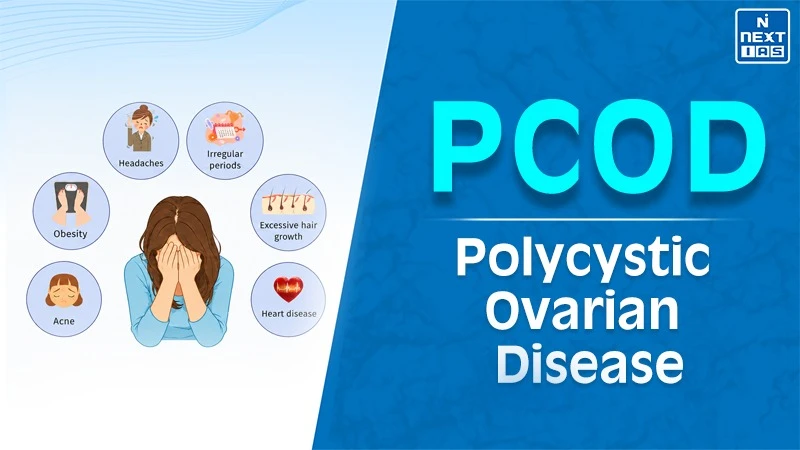
The full form of PCOD is Polycystic Ovary Syndrome. PCOD happens due to the presence of an abnormal amount of hormones in the body, resulting in irregular menstruation, development of cysts, and ovulatory problems. Though the exact reason for developing this condition remains unclear, some genetic factors, insulin resistance, and certain lifestyle factors have been found to have played major roles.
The most common symptoms of this condition are weight gain, skin problems like acne, hirsutism, and even problems with fertility. Timely detection and proper management of PCOS through a proper diet, exercise, stress relief, and medication can help control the symptoms and avoid other complications like diabetes and heart disease.
Difference Between PCOS and PCOD
| S.No. | Aspect | PCOD (Polycystic Ovarian Disease) | PCOS (Polycystic Ovary Syndrome) |
|---|---|---|---|
| 1 | Nature | Functional ovarian issue, ovaries release immature and partially mature eggs forming small cysts. | Complex endocrine-metabolic disorder with hormonal imbalance and multiple ovarian cysts. |
| 2 | Hormonal profile | Mild imbalance (mainly estrogen or progesterone). | Marked imbalance with high androgens, often insulin resistance. |
| 3 | Prevalence | More common in about 10% of women | Less common as about 2.0 to 2.5% diagnosed as syndrome |
| 4 | Periods | Irregular or slightly delayed cycles | Highly irregular or absence of periods (amenorrhea) |
| 5 | Fertility | Usually not severely affected, many women conceive naturally or with minor help. | Frequently associated with infertility and higher pregnancy risks. |
| 6 | Metabolic risk | Minimal, low long-term risk if managed properly | High risk of diabetes, hypertension, cardiovascular disease, endometrial cancer. |
| 7 | Skin or hair | Oily skin, mild acne, occasional hair thinning. | Severe acne, hirsutism (excess facial or body hair), significant hair loss. |
| 8 | Weight | Weight gain is common but often manageable. | Weight gain with difficulty in weight loss due to insulin resistance. |
| 9 | Treatment | Lifestyle changes such as diet, exercise and stress management. | Lifestyle and medical therapy such as hormonal, metabolic, fertility treatments. |
What is Polycystic Ovarian Disease?
Polycystic Ovary Disease (PCOD) refers to a condition where the body suffers from a hormonal imbalance. causing the production of immature eggs or even partially developed eggs that might lead to the formation of small cysts later on. Such hormonal imbalances can cause problems in ovulation and hence cause irregular menstrual cycles along with other health issues such as acne, weight gain, and excess hair. There is not much difference between PCOD and Polycystic Ovary Syndrome (PCOS), except for the fact that PCOD is milder and easily controllable, whereas PCOS is a combination of both metabolic and hormonal disorders.
PCOD Common Symptoms, Causes and Risk Factors
It should be noted that PCOD may lead to a range of various symptoms which vary depending on individual cases. Among these signs include irregular or absent menstruation, gaining weight, skin problems like acne and oiliness of skin, hirsutism (excessive growth of hair), hair thinning or hair loss, infertility, mood alterations, and dark patches of skin named acanthosis nigricans. All these symptoms occur due to the hormonal changes which negatively affect the physiological process of the body.
The exact reason of PCOD is unknown; however, the disease is associated with the hormonal imbalance, insulin resistance, genetic predisposition, poor nutrition, obesity, low level of physical activity, and constant stress. All these factors may disrupt ovulation and enhance hormones production.
There are some factors that increase the risk of PCOD occurrence. These factors include family history of the disorder, overweight or obesity, sedentary way of life, insulin resistance, and diet rich in processed foods and sugars.
PCOD Diagnosis, Treatment and Best Diet
Diagnosis of PCOD involves medical history, physical exam, pelvic ultrasound, blood tests, and hormonal assessment to establish hormonal disorders, dismiss other medical disorders, and detect the existence of multiple ovarian cysts when any exist.
Management of symptoms and overall well-being is done through lifestyle adjustments, which entail eating a balanced diet, exercise, achieving proper body weight, stress management, and adequate rest. In the case where lifestyle modifications do not achieve results, hormonal birth control methods are recommended to regulate menstruation, medicines to increase insulin sensitivity or fertility therapy in case of planned pregnancy.
Eating healthy is part of PCOD treatment. Eat whole grains, fruits, vegetables, lean protein, healthy fat, nuts, and seeds. Avoid beverages containing high sugar content, refined carbs, processed food items, fatty foods, and high levels of sugar since these tend to exacerbate insulin resistance and hormone imbalance.
FAQs about PCOD Problem
What is the difference between PCOD and PCOS?
PCOD is a less serious problem that is easier to cope with than PCOS.
Is there a permanent cure for PCOD?
There is no permanent cure for PCOD; however, it is possible to manage its symptoms with healthy living and treatment.
Is PCOD a dangerous illness?
PCOD is a manageable condition; however, neglecting the symptoms may lead to fertility issues, diabetes, heart disease, and other health conditions.
Am I going to be able to conceive with PCOD?
Yes, women suffering from PCOD can become mothers with or without help if they improve their ovulation with diet and medicine.
What food is forbidden in case of PCOD?
Do not consume sweet beverages, junk food, fried food, refined carbs, and too much dessert.
Is PCOD an inherited disease?
Yes, PCOD is inherited; having a relative with PCOD increases your chances to suffer from it.
What is the treatment of PCOD?
There is no permanent treatment of pcod. However, some lifestyle changes (healthy diet, regular exercise and weight loss), medications like birth control pills, metformin or ovulation inducing drugs.
