
 80813-00200


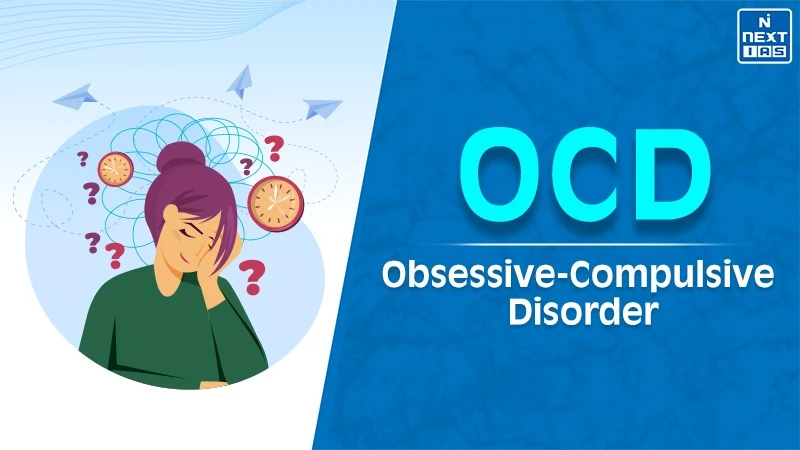
The OCD full form is Obsessive-Compulsive Disorder, a long-term psychological disorder characterized by unwanted thoughts and repeated behaviour. OCD occurs due to a combination of genetics, stress and chemical imbalances in brain structure. Some of the common obsessions of OCD include fear of germs or dirt, repeated checking for fear of causing harm to others, deep distress if things are not right and excessive overthinking.
The neurotransmitters such as serotonin help manage communication between different regions of the brain. Thus, it can become one of the symptoms for OCD. The prolonged stress or traumatized events can trigger the symptoms in people who already have biological issues. OCD often has the cycle of Obsessions such as unwanted scary thoughts, triggers anxiety, and creates self doubts. The Compulsions on the other hand includes anxiety relief, neutralizing bad thoughts, and controlling a feared disaster to happen.
The OCD frequently comes up with anxiety or mood disorders however, appropriate evidence-based treatment may help in its management. For example, in Exposure and Response Prevention (ERP) therapy, the brain learns that the feared outcome will not happen. The disorder is associated with significant challenges in daily life, schooling, work, and personal relationships.
ऑब्सेसिव-कंपल्सिव डिसऑर्डर (OCD) एक मानसिक विकार है जिसमें व्यक्ति को बार-बार अवांछित, डरावने विचार (ऑब्सेशन) आते हैं और वे कुछ काम बार-बार करने के लिए मजबूर हो जाते हैं (कंपल्शन), जैसे बार-बार हाथ धोना, ताले चेक करना या चीज़ें गिनना। ये व्यवहार अस्थायी राहत देते हैं लेकिन दैनिक जीवन को प्रभावित करते हैं। उपचार में थेरेपी (CBT) और दवाएं शामिल हैं।
OCD Definition and Medical Symptoms
- The Obsessive-Compulsive Disorder or OCD is a mental disorder, defined as the presence of recurrent, unwanted and intrusive thoughts, impulses, or images (obsessions).
- It creates significant anxiety or distress, repetitive actions or mental behaviors that the individual performs repeatedly to relieve this anxiety and avoid a particular event.
- The medical symptoms involve persistent obsessions including fear of contamination, of causing harm, symmetry, compulsions involving excessive washing, checking, counting, arranging, distress.
Prevalence of OCD Problem in India
- There have been increasing numbers of people with OCD in India who are not properly identified and diagnosed. This is a common problem among adolescents and adults living in both urban and rural environments.
- The estimated lifetime prevalence rate for OCD is between 1% and 3%. However, there is a lack of proper diagnosis and treatment due to social stigmas associated with this mental disorder.
- OCD may have an extremely detrimental impact on the academic achievements, preparation for competitive exams, and occupational function of the individual.
- This is particularly correct in the case of students who experience tremendous amounts of stress and strict schedules. In the case of ignorance of the disorder for a long time, they may lead to a poor prognosis. It remains difficult to receive access to psychiatrists, clinical psychologists, CBT, and ERP due to their limited number in India.
Obsessive Compulsive Disorder Mental Health Policy
- Mental health strategy in India is largely based on the National Mental Health Programme (NMHP, established 1982) and the Mental Healthcare Act (MHCA) 2017, which have an objective to increase access, protect rights, and remove the stigma associated with mental disorders.
- The NMHP and District Mental Health Programme strive to incorporate mental health into primary health care, educate health professionals, and offer community-based mental health care services by shifting away from the asylum-based paradigm.
- MHCA 2017 identifies the right to mental health care, provides for affordable and high-quality services, and focuses on informed consent and confidentiality.
- Policy documents emphasise the importance of tackling the prevalent cases of depression, anxiety, OCD along with serious mental disorders and improving the number of human resources available, research as well as awareness.
- But implementation is difficult due to underfunding of the budget, scarcity of professionals, lack of equal accessibility and discrimination in society.
- The new policies including the setting up of Tele Mental Health Network, school and college counseling services and including mental health as part of broader Ayushman Bharat and primary care reforms are attempts to overcome this gap.
FAQs about OCD
What is the full form of OCD?
OCD full form is Obsessive-Compulsive Disorder.
What are the common symptoms of OCD?
The most common symptoms of OCD are unwanted intrusive thoughts, repetition of behaviour and mental compulsions.
Can OCD be treated effectively?
Yes, OCD can be treated with Exposure and Response Prevention (ERP) therapy and Selective Serotonin Reuptake Inhibitors (SSRTs). These are the evidence based selective treatments that can reduce the symptoms of OCD.
