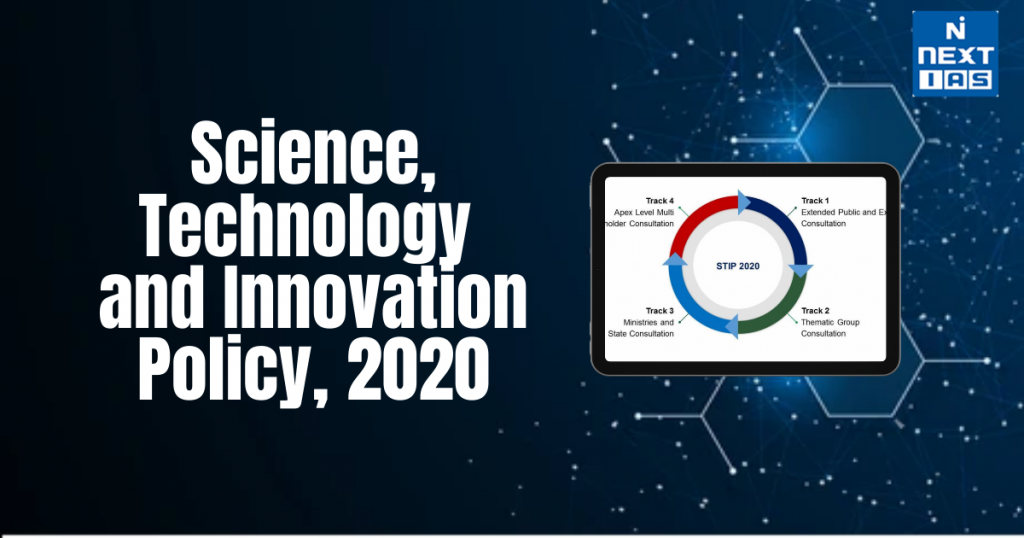
The Science Technology and Innovation Policy, 2020 intends to foster and energize scientific research and technology in India. Its importance thus lies in supporting innovation-led growth and taking care of societal problems through science and technology interventions. The article, therefore, tries to carry out a detailed study of the key features, objectives, and implications of the policy for the future of science and technology in the country.
About Science, Technology, and Innovation Policy, 2020
The Science Technology and Innovation Policy (STIP) 2020 marks a landmark event in a country’s pursuit of enhancing its Scientific knowledge-base and technological prowess. Furthering the theme of developing a vibrant research-innovation ecosystem, STIP 2020 prepares India for one of the world scientists institutions. This policy interlinks the objectives with economic growth, inclusion, and sustainability.
Objectives of STIP 2020
The primary objectives of STIP 2020 are as follows:
- Enhancing Scientific Research: Improving scientific research quality and quantity in the country to be able to answer national and global challenges.
- Promoting Innovation: To allow open space for innovation in all sectors through coordination between academia, industry, and the government.
- Supporting Startups and Entrepreneurship: To support startup companies and promote entrepreneurial efforts in science and technology.
- Encouraging Interdisciplinary Research: Interdisciplinary approaches that integrate a broad variety of fields of study in a coordinated way to address complex problems more successfully.
- Strengthening Public-Private Partnerships: Build strong public/private partnerships for innovation and humanizes the commercialization of the research output.
Key Features of STIP 2020
- Inclusivity and Equity: STIP 2020 stresses inclusivity, making sure that the scientific community is open to various voices. It encourages the participation of women, disadvantaged groups, and marginalized communities in the fields of science and technology.
- Indigenization of Technologies: The policy urges the development and promotion of indigenous technologies, calling for the kind of research that meets local needs and reflects local conditions. This process will lessen dependence on foreign technologies and further enhance self-reliance.
- National Research Foundation (NRF): STIP 2020 proposes the setting up of a National Research Foundation that will have an umbrella role in bolster research funding, strengthening research infrastructure, and improving synergistic collaboration between different research institutions.
- Digitalization: The policy welcomes digital technologies in the advancement of scientific research and innovation. It encourages the use of digital tools and platforms to foster collaborative research and data sharing.
- Sustainable Development Goals (SDGs): STIP 2020 aligns with the United Nations Sustainable Development Goals, ensuring that scientific research and technological advancements contribute to sustainable development and address pressing global challenges such as climate change, health, and poverty.
Implementation Strategies
- Inclusivity and Equity: STIP 2020 stresses inclusivity, making sure that the scientific community is open to various voices.
- It encourages the participation of women, disadvantaged groups, and marginalized communities in the fields of science and technology.
- Indigenization of Technologies: The policy urges the development and promotion of indigenous technologies, calling for the kind of research that meets local needs and reflects local conditions.
- This process will lessen dependence on foreign technologies and further enhance self-reliance.
- National Research Foundation (NRF): STIP 2020 proposes the setting up of a National Research Foundation that will have an umbrella role in bolster research funding, strengthening research infrastructure, and improving synergistic collaboration between different research institutions.
- Digitalization: The policy welcomes digital technologies in the advancement of scientific research and innovation. It encourages the use of digital tools and platforms to foster collaborative research and data sharing.
Challenges and Future Directions
As STIP 2020 envisages a framework in all aspects for the advancement of science and technology in India, many challenges stand yet in its way. Among those challenges faced include:
- Resource Allocation: Ensuring the adequate allocation of funds and resources to support the ambitious goals of the policy.
- Infrastructure Development: Developing research infrastructure in line with the present-course of scientific research.
- Encouraging Collaboration: Encouraging collaborations between academia, industry, and government, which is essential for the realization of research into commercialization.
Conclusion
The Science Technology and Innovation Policy 2020 is a forward-looking framework to change the scientific landscape of India. STIP 2020 aims to create an ecosystem oriented to sustainable development and economic growth through research, innovation, and collaboration. In its journey through the complexities of the 21st century, realizing this policy will form an essential part of India’s aspiration to take its rightful place as a global leader in science and technology.
FAQs: STIP 2020
What is Science technology and innovation policy?
National Science and Technology Innovation Policy is a framework that guides the conduct of research, technological development, and innovation for economic growth, societal well-being, and competitiveness of the nation. It promotes scientific research, encourages technological advancement, and innovation through regulations, funding opportunities, and strategic initiatives aimed at addressing global challenges and fostering sustenance.
What is science technology and innovation policy 2013?
The Science, Technology, and Innovation (STI) Policy 2013 of India aimed to set the country on the path toward being among the global agglomerates into research and innovation. More specifically, it promotes increasing R&D investment, collaboration, indigenous technology, science education, and innovation for inclusive growth, sustainment, and national socioeconomic development.