International Women’s Day (IWD) 2026, on March 8, centers on the theme “Give To Gain”, which encourages people to donate and mentor and do advocacy work as a way to achieve gender equality. The 115th anniversary of this celebration demonstrates that when women receive support, they achieve success which benefits all people. The event honors women’s accomplishments from around the world while it calls for solutions to remove obstacles which prevent the establishment of inclusive international movements. This article presents a detailed account of International Women’s Day (IWD), including its history, key facts, objectives, theme, significance, and more.
About International Women’s Day
International Women’s Day (IWD) is a global observance celebrated annually on March 8th to honor the achievements and contributions of women in various fields and disciplines across the world. The day also serves as a platform to raise awareness about gender equality, advocate for women’s rights, and address issues such as gender-based violence, discrimination, and the socio-economic disparities that women face.
Key Facts About IWD
| Date | 8 March |
| Origin | Originated from the Labour Movement in the early 20th century to advocate for women’s rights. |
| Objective | To celebrate the achievements and contributions of women and raise awareness about gender equality and persisting challenges faced by women. |
| Theme | Every year a different theme is selected to address a specific aspect of gender equality. (Theme for International Women’s Day 2026: “Give To Gain”) |
Theme for International Women’s Day 2026
IWD 2026 Theme: Give To Gain
The International Women’s Day 2026 theme, “Give To Gain,” powerfully promotes generosity as a catalyst for gender equality. The concept of giving transforms into a multiplying force which enables people and organizations and communities to create more chances for women through their generous donation of time and educational resources and advocacy and mentoring and visible knowledge and funding. The process of reciprocity leads to joint progress because when women succeed it brings benefits to the entire society.
Core Message and Campaign
The official IWD website began the campaign which promotes an abundant and cooperative mindset before the 115th anniversary celebration on March 8. Individuals can contribute by challenging biases, celebrating achievements, and amplifying women’s voices daily. Organizations need to support their nonprofit partners through events and fundraising and speakers and displays which will help them overcome ongoing problems with discrimination and unequal access.
Global Call to Action
IWD serves as an inclusive movement which welcomes all people who support human rights according to Gloria Steinem’s words about collective human rights work. The #GiveToGain initiative expects that women who achieve empowerment through workplace equity and community development will create worldwide innovation progress and economic prosperity.
History of International Women’s Day
The history of the day dates back to the early 1900s. From a single-day protest to a global movement for gender equality, its evolution spans over a century.
The chronology of the origin of Women’s Day and its evolution is explained below.
Initiation
- 1908: The prevailing oppression of women laborers and gender inequality at the workplace initiated women to start campaigning for change. As a result, around 15,000 women took to the streets and marched through New York City demanding shorter working hours, better wages, and voting rights.
- 1909: The Socialist Party of America organized the first National Woman’s Day (NWD) across the United States on February 28, 1909. From 1909 upto 1913, women in the US continued to celebrate NWD on the last Sunday of February.
- 1910: The Second International Conference of Working Women was held in Copenhagen in 1910. Here, a German socialist and women’s rights activist, Clara Zetkin, proposed the idea of establishing an International Women’s Day. This proposal was accepted unanimously. However, no specific date was decided upon.
- 1911: In accordance with the decision taken at the Copenhagen Conference, IWD was celebrated for the first time on 19 March 1911 in Austria, Denmark, Germany, and Switzerland. Rallies, demonstrations, and marches were organized, demanding better working conditions and voting rights for women.
Evolution
- 1913: The Peace Campaign was organized by the Russian women on the eve of World War I. The discussions held during this campaign led to the date of IWD being declared officially as 8 March.
- 1914-1918: World War I and the resultant increased demand for workers facilitated increased participation of women in the workforce. This, indirectly, helped the women’s fight for suffrage.
- 1945: The signing of the UN Charter established the principle of equality for women and men. This led to IWD becoming a focus for the UN’s work on women’s empowerment and gender equality.
Recognition and Expansion
- 1975: The UN, for the first time, officially recognized the IWD in 1975. Here onwards, the UN began to celebrate it annually.
- 1996: In 1996, the UN adopted an official theme for International Women’s Day (IWD) for the first time. Ever since then, the UN has declared an official theme for the day each year.
- 2015: The UNGA adopted the Sustainable Development Goals (SDGs). One of the SDGs, SDG 5, specifically calls for achieving women’s empowerment and gender equality.
- Present: IWD has become one of the most prominent global platforms to honor and celebrate the achievements and contributions of women across the world.
How is the day celebrated around the World?
At present, the day is celebrated across the world. IWD celebrations in various countries are marked by a range of official and public events. Some common types of international women’s day events:
- The UN organizes an official commemoration event at the UN Headquarters.
- It is a declared national holiday in many countries, while in some others only women are given special holidays.
- Issuing official proclamations and organizing award ceremonies by the government to recognize significant contributions made by women in various fields.
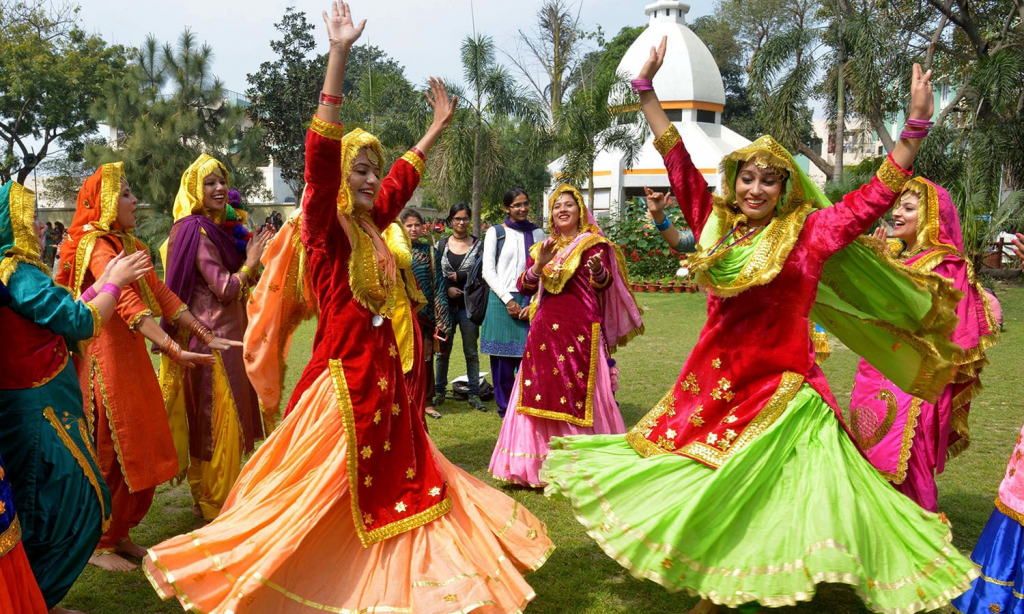
- Organization of cultural programs and exhibitions, showcasing the achievements of women in various fields.
- Programs such as panel discussions, lectures, essay & debate competitions are organized by educational institutions on topics related to women’s empowerment, gender equality, etc.
- Awareness campaigns on critical issues such as gender rights, domestic violence, etc are organized by the Civil Society Organizations and Women’s Groups.
- Corporate bodies also organize several initiatives, such as special events for female employees, CSR activities supporting women’s empowerment projects, etc.
- Community celebrations such as gatherings or informal meet-ups where women celebrate achievements, and discuss ways to take forward women’s movement.
Objectives of the Celebrations
- To celebrate the achievements of women across the world.
- To raise awareness about women’s rights and gender equality.
- To accelerate concrete efforts towards achieving gender parity.
- To inspire individuals, communities, and nations towards the goal of gender equality and women’s rights.
- To foster a sense of solidarity and unity among women worldwide.
Colors of International Women’s Day
As per its official website, Purple, Green, and White are the colors of IWD. The significance of these colors can be seen as follows:
| Color | Represents |
|---|---|
| Purple | Justice and Dignity |
| Green | Hope |
| White | Purity |
These colors were originally adopted in the UK by the Women’s Social and Political Union (WSPU), the militant wing of the British Woman Suffrage Movement. Over the years, these colors became an indifferent part of IWD celebrations across the world.
Significance of the Celebrations
In a time and age marked by movements like #MeToo and #TimesUp, celebrations of this special day for women hold multifarious significance as explained below:
- It is a day to honor the contributions of women in various spheres and to acknowledge their indispensable role in shaping the globe’s destiny.
- It acts as a reflection and affirmation of the world’s ongoing journey toward women’s empowerment and gender equality.
- It serves as a platform to raise awareness against gender bias and do away with the same.
- The day facilitates discussions and resolute actions to address the persisting challenges that hinder women’s progress across the globe.
- By raising awareness about the success stories of women, the day helps inspire women and girls across the globe to reach their full potential.
- Fosters a feeling of worldwide unity among women and girls from diverse cultures and backgrounds.
In summary, IWD not only celebrates the contributions and sacrifices of women but also serves as a reminder of the ongoing struggle for gender equality. It is a day to reflect on the progress made towards women’s empowerment and to renew the commitment to addressing the challenges faced by women across the world. As the world gets immersed in the fervor of IWD, NEXT IAS wishes a Happy International Women’s Day to all the women across the world!
Frequently Asked Questions (FAQs)
When is International Women’s Day celebrated?
It is celebrated annually on 8 March.
Why do we celebrate Women’s Day on March 8?
The day was initially celebrated on a different date. Later, through discussions the date of IWD was declared officially as 8 March.