


Indian History for UPSC
Indian History is a very important subject as it has significant syllabus coverage not only in UPSC CSE Prelims but also in UPSC CSE Mains. Considering the importance of Indian History notes and its weightage in the UPSC CSE both for Prelims and Mains, we have compiled topic-wise Indian History notes curated for UPSC aspirants. Here’s a complete topic coverage:

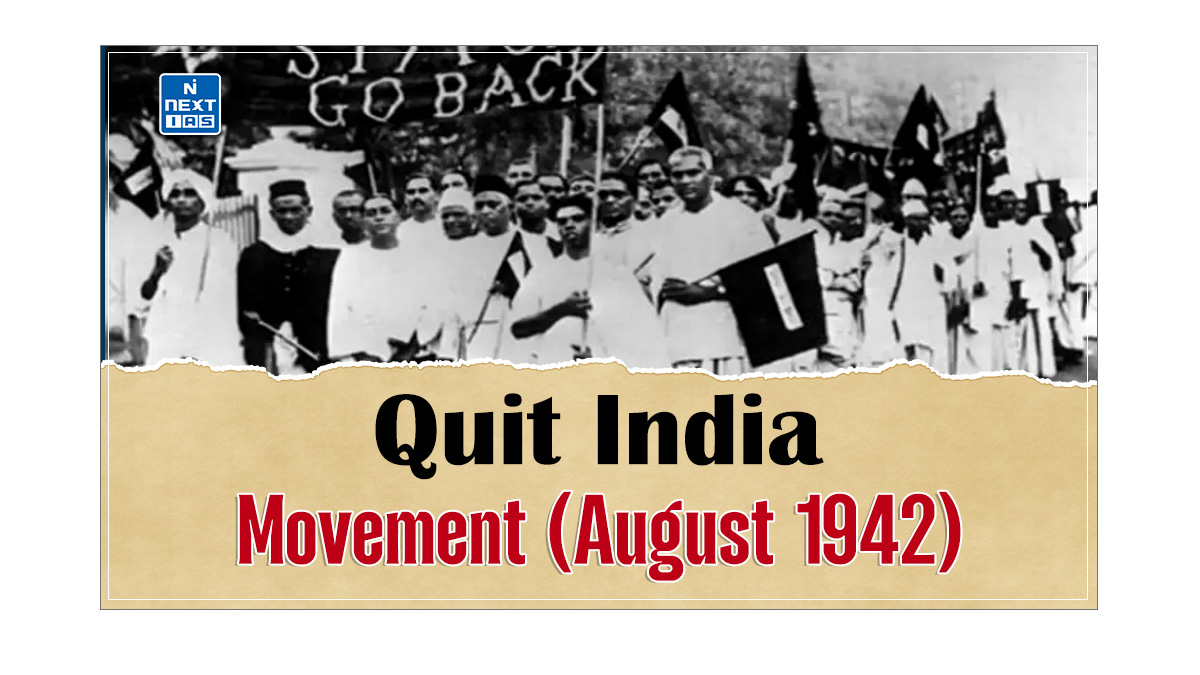
UPSC Indian History Notes
The importance of well-structured notes always remains in UPSC CSE preparation as it plays a very crucial role in the overall preparation journey - Prelims, Mains and Interview. It not only facilitates effective assimilation and comprehension of concepts but also aids in easier internalisation and recall during the examination. It facilitates in enriching answers as the ability to link concepts with diagrams and maps gives an edge over other aspirants. In case of prelims, concise notes helps recalling factual information and accuracy ratio enhances.
Time period of Ancient, Medieval and Modern History
- The period of Ancient History is usually considered spanning from pre-historic Stone age to historic Harsha era (7th century).
- The period of Medieval History is usually considered spanning from the time period from Major Dynasties (750–1200 AD) of Early Medieval India to the 18th century.
The period of Modern History is usually considered spanning from the time period from mid-18th century to 1947.
Important Topics for Indian History
To begin reading with Indian History, one can start with NCERT books to have a grasp over the basic concepts to build a strong foundation for the subject. Moreover, there are numerous coaching materials available in the market. At NEXT IAS, we aim to provide the most relevant and important attributes of the subject as the prime requisite of UPSC CSE. Our aim is to deliver the most essential aspects and relevant attributes of the subject, aligned with the core requirements of the UPSC CSE.
Therefore, it is advisable to use NCERTs, reliable sources & standard books, and keep them updated with effective current affairs coverage.
Indian History Syllabus for UPSC
Indian History can be widely fragmented into the following Modules and topics:
- Indian culture will cover the salient aspects of Art Forms, literature and Architecture from ancient to modern times.
- Modern Indian history from about the middle of the eighteenth century until the present- significant events, personalities, issues.
- The Freedom Struggle — its various stages and important contributors/contributions from different parts of the country.
- Post-independence consolidation and reorganization within the country.
- History of the world will include events from 18th century such as industrial revolution, world wars, redrawal of national boundaries, colonization, decolonization, political philosophies like communism, capitalism, socialism etc.— their forms and effect on the society.
Booklist and Free Resources
NCERT for Ancient History
Start with building on the foundational knowledge with NCERT books on Ancient history.
- Class-6 : History – Our Pasts-I
- Class-7 : History – Our Pasts-II
- Class-12 : Themes in Indian History – Part-I
NCERT for Medieval History
Start with building on the foundational knowledge with basic NCERT books on Medieval history.
- Class XI : Old NCERT History of Medieval India- Satish Chandra
- Class XII : Themes in Indian History – Part-II
NCERT for Modern History
Start with building on the foundational knowledge with NCERT books on Modern history.
- Class-8 : History – Our Pasts-III
- Class-12 : Themes in Indian History – Part-III
Buy Previous year UPSC Prelims questions book by NEXT IAS.
UPSC Prelims Notes Strategy for Indian History
The art of making UPSC notes for Indian History as a subject matter needs the following mentions to be considered a good quality note.
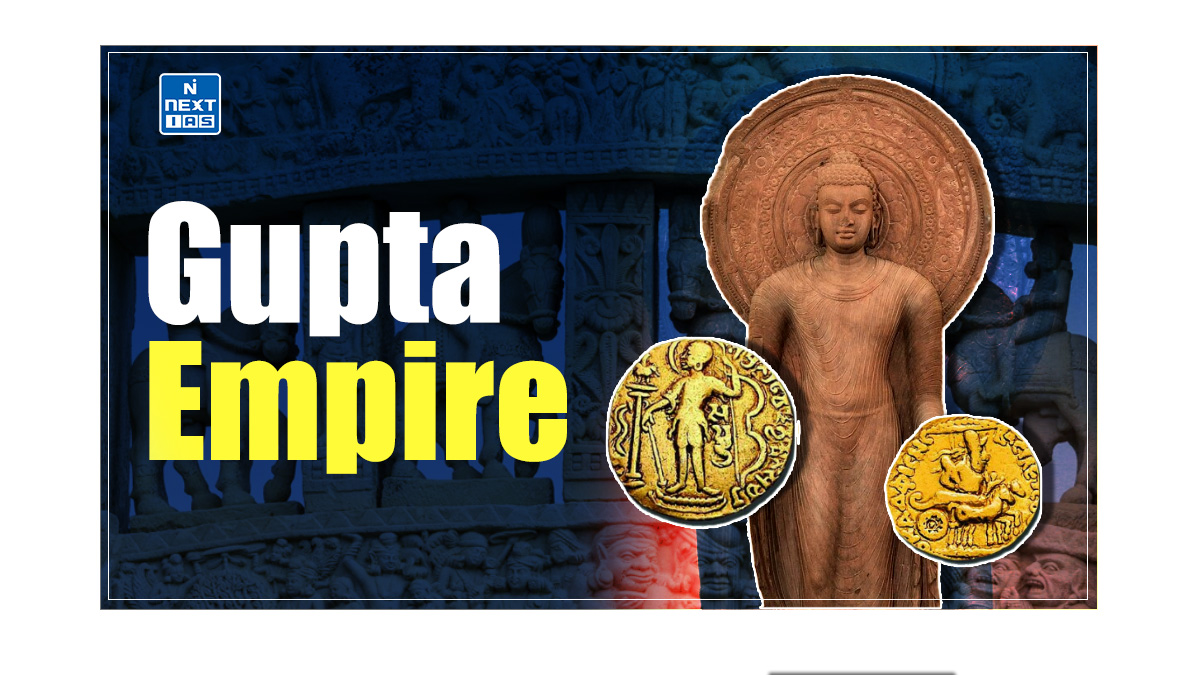
- For Ancient History, Concentrate on topics such as Vedic period, Buddhism and Jainism, Maurya age, Gupta period etc.
- Prepare concise notes and flashcards for multiple revisions. For example
- Pre-history includes the events that occurred before the invention of writing for example, stone age and early chalcolithic age.
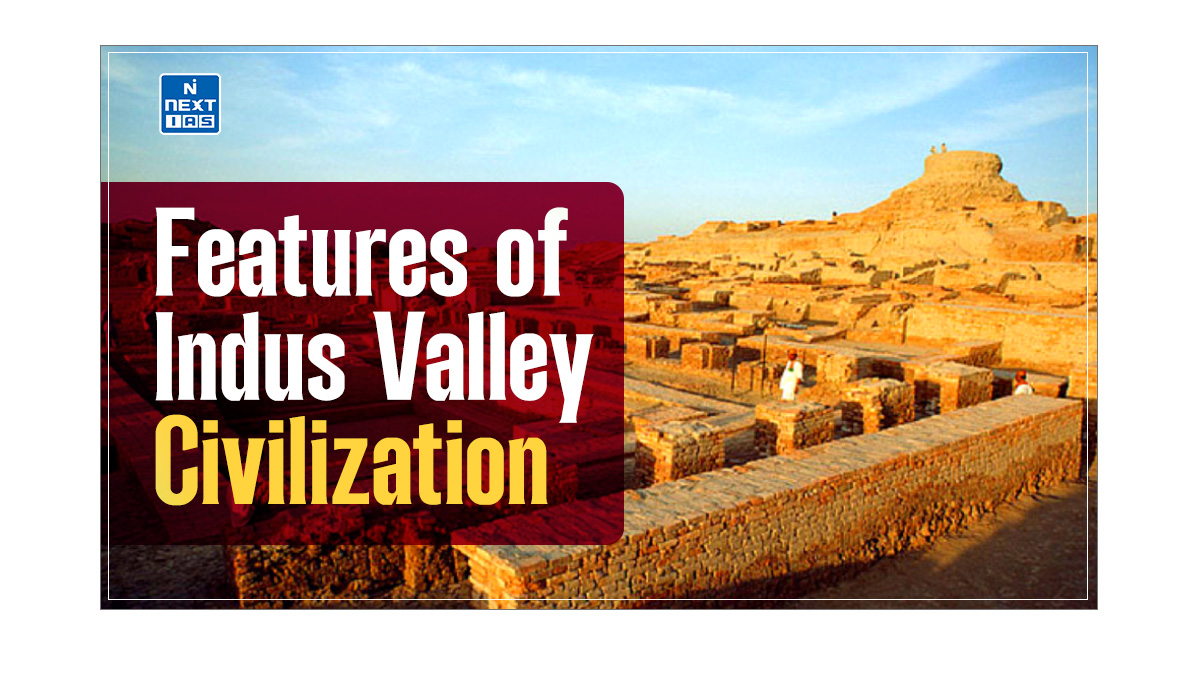
- Proto-history comprises the period between pre-history and history. During the proto-historic period, writing can be there but the script is undeciphered and we get information from other civilizations, for example, Indus Valley civilization.
- History, on the other hand, includes the period of invention of writing and the study of literate societies based on records and archaeological sources.
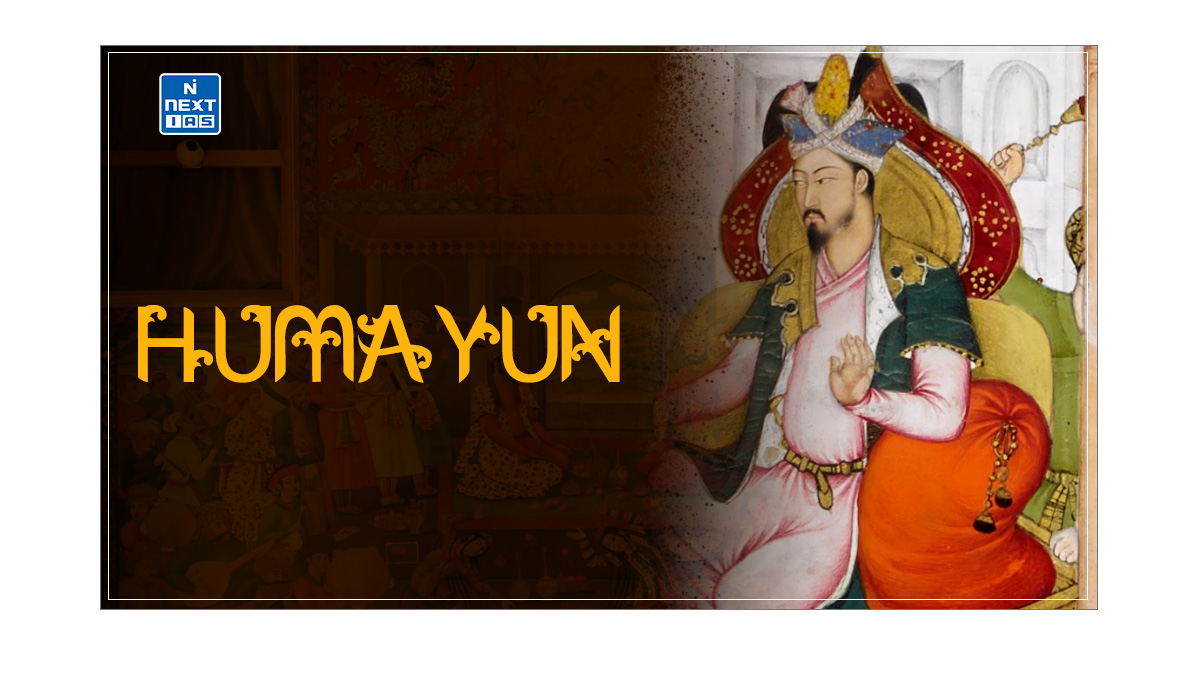
- For Medieval History, Concentrate on topics such as Major Dynasties of Early Medieval India, Cholas and other South Indian Kingdoms, Early Muslim Invasions, Delhi Sultanate, Vijayanagar Empire etc.
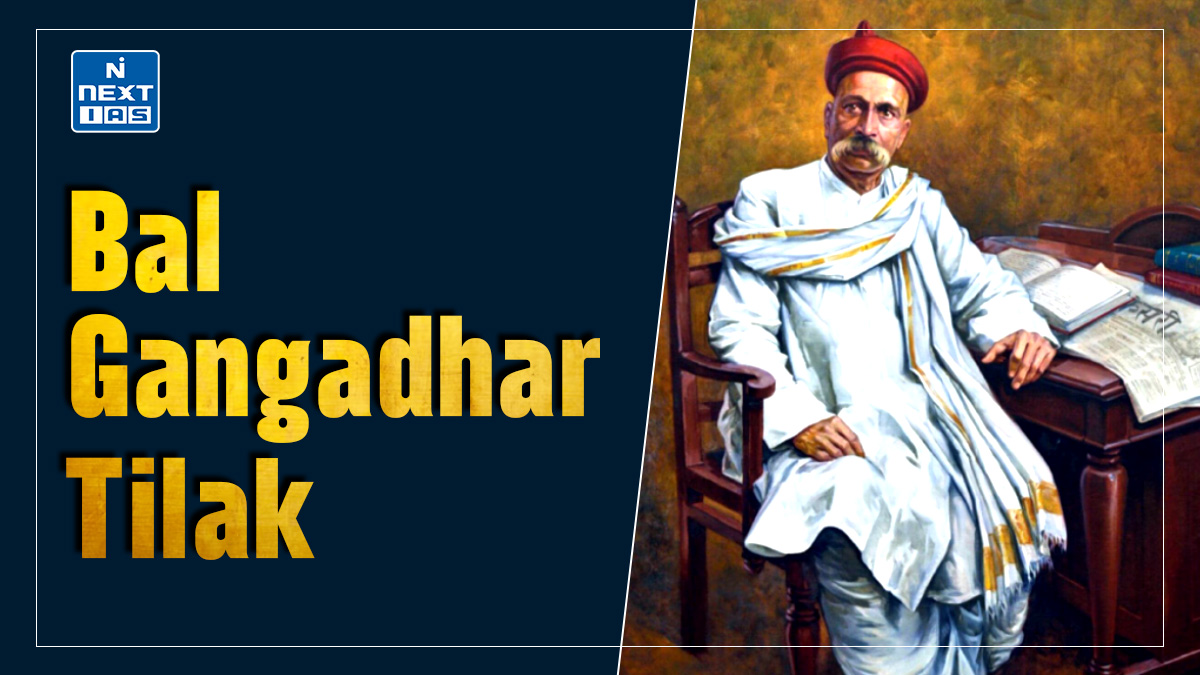
- For Modern History, Concentrate on topics such as Reform movements, National Freedom Struggle movement, India under British rule etc.
- Make a decent use of mind maps to link kingdoms with respective regions or dynasties.
- Revise the notes regularly(daily/weekly/monthly) to retain for a longer time period.
- Practice mock tests of any reputed coaching institute to apply your knowledge of ancient history. NEXT IAS provides a comprehensive and high quality year-long test series for UPSC CSE Prelims and mains. Buy now by clicking on the link below.
Significance of Indian History
Indian history as a discipline comprises an integral part of Paper-1 in UPSC CSE Prelims and GS-1 (Paper-2) in UPSC CSE Mains. At a macro level, factual questions are asked in prelims but still an analytical approach( at micro level), that comes eventually from answer writing practice for mains exam, is needed to solve them. This knowledge plays a crucial role in both Essay writing and Interview stage as well.
FAQs
How to prepare for Indian history in UPSC ?
Begin reading with the basic NCERT books for history to have a robust command over the subject matter. Additionally, Buy NEXT IAS UPSC History book for a comprehensive coverage of the discipline.
Who is the best teacher of Ancient history for UPSC ?
Having prolonged experience in teaching over lakhs of students in UPSC domain, Rahul Sengar Sir and Hemant Jha sir (History optional) are the best Medieval history faculty. His teaching methodologies are comprehensive and very helpful in building foundational and advanced knowledge. Many IAS toppers are his classroom students.
Who is the best teacher for Medieval history UPSC ?
Having prolonged experience in teaching over lakhs of students in UPSC domain, Abhishek Parmar Sir and Hemant Jha sir (History optional) are the best Medieval history faculty. His teaching methodologies are comprehensive and very helpful in building foundational and advanced knowledge. Many IAS toppers are his classroom students.
Who is the best teacher for Modern history UPSC ?
Having prolonged experience in teaching over lakhs of students in UPSC domain, Abhishek Parmar Sir and Hemant Jha sir (History optional) are the best Modern history faculty. His teaching methodologies are comprehensive and very helpful in building foundational and advanced knowledge. Many IAS toppers are his classroom students.
