Biotechnology is shaping the future of healthcare by creating new diagnostic and preventive tools such as vaccines, gene therapy, and biologics. It helps combat infectious diseases and malnutrition and addresses the challenges posed by pollution, all while striving to improve life expectancy and public health. The quality of life is continuously improved in this changing field while simultaneously working to eliminate health inequalities worldwide. This topic includes the health-centered applications of biotechnology.
Examples of Application of Biotechnology in Health
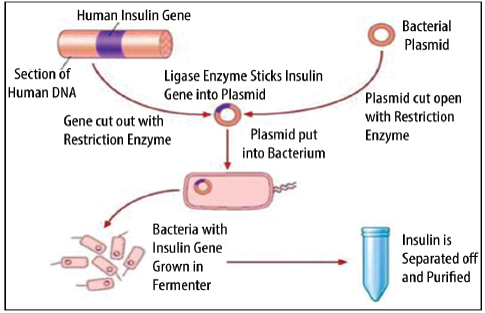
Genetically Engineered Insulin
- Management of adult-onset diabetes requires regular insulin. Earlier, insulin from cattle or pigs caused allergies, but genetically engineered insulin offers a safer alternative.
Gene Therapy
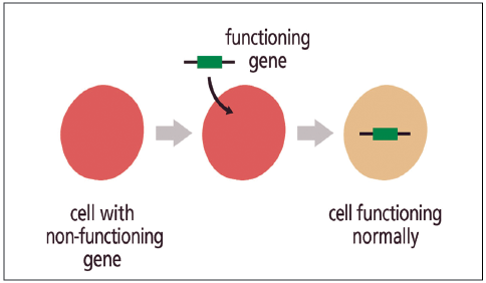
Gene Therapy is an attempt to correct Hereditary Disease in any person. It is a collection of methods that allows correction of a gene defect that has been diagnosed in a child/embryo. Here genes are inserted into a person’s cells and tissues to treat a disease. Correction of a genetic defect involves delivery of a normal gene into the individual or embryo to take over the function of and compensate for the non-functional gene.
Read our detailed article on Gene Therapy.
Molecular Diagnosis
- Molecular Diagnostics is the branch of laboratory medicine or clinical pathology that utilizes the technique of molecular biology to diagnose disease, predict disease course, select treatments, and monitor the effectiveness of therapies.
ELISA
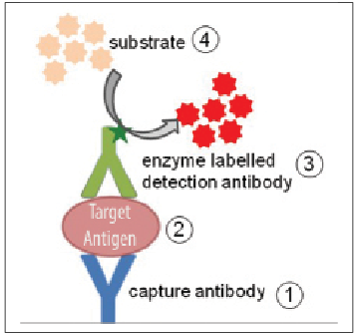
- An Enzyme-linked Immunosorbent Assay, also called ELISA or EIA, is a test that detects and measures antibodies in your blood. This test can be used to determine if you have antibodies related to certain infectious conditions.
An ELISA test may be used to diagnose: HIV, which causes AIDS, rotavirus, Zika virus and other diseases.
Antibodies are proteins that our body produces in response to harmful substances called antigens.
Polymerase Chain Reaction
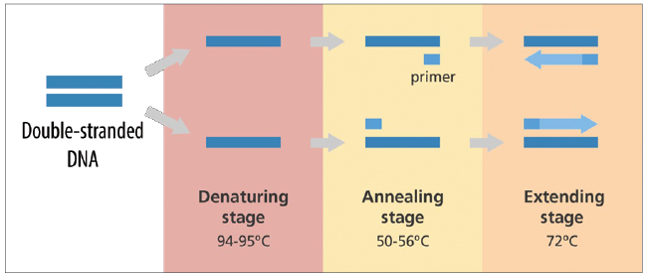
- It is a technique used in the lab to make millions of copies of a particular section of DNA. It was first developed in 1980s. It is also used as a common tool in early stages of processing DNA for sequencing, for detecting the presence or absence of a gene to find pathogens.
Pathogen is an infectious agent that causes disease or illness to its host. Usually it may be a Bacteria, Virus or Parasite.
Blotting Technique
- Blotting techniques are used to identify unique proteins or nucleic acid sequences. They have been- developed to be highly specific and sensitive and have become important tools in both molecular biology and clinical research.
Genetically Engineered Steroids
Athletes who want to maximise their performance are continually tempted to use illegal drugs to gain competitive advantage and to aid recovery from training and injuries. Some commentators have raised concerns that genetic modification or “gene doping” will be the next step in the search for enhanced performance.
Advantages of Biotechnology Applications in Health
- Enhanced Diagnostics:
- The ability to identify illnesses quickly and accurately with modern diagnostic devices allows for the treatment to begin as soon as possible.
- Biotechnology Enhancements in Treatment:
- The side effects of treatments are reduced, and treatments become more effective with the development of treatments in the form of medicines that are tailored to the genetics of an individual.
- Vaccine Improvements:
- Emerging infectious diseases can be addressed more efficiently because vaccines can be produced faster with the use of recombinant DNA technology.
- Eco-Friendly Treatments:
- Insulin synthesized in the laboratory reduces the use of animal products and the likelihood of allergies, along with other bioengineered products.
- Improved Drug Manufacturing:
- Monoclonal antibodies, as well as other biotechnology-created biopharmaceuticals, provide more precise treatments for a variety of illnesses, including cancer.
- Malnutrition Fight:
- The use of biofortified foods, especially staple crops, helps to address nutritional deficiencies.
- Gene Therapy:
- By fixing or changing the problematic genes, gene therapy can treat hereditary diseases, promising better results for the patients.
- Lowering The Environmental Impact:
- The use of environmentally-friendly production methods and biodegradable medical products aid in the reduction of waste and pollution.
- Research Advancements:
- Biotechnology accelerates research in genomics and proteomics, leading to new discoveries and innovations in health science.
- Global Health Solutions:
- Provides affordable and accessible healthcare solutions, addressing health disparities and improving public health worldwide.
Disadvantages of Biotechnology Applications in Health
- Ethical Concerns:
- Cloning and genetic manipulation of organisms pose serious ethical concerns in regard to the appropriate use of technology as well as human intervention in natural evolution.
- Adverse Allergic Reactions:
- The use of biopharmaceuticals may pose an increased likelihood of allergic reactions. This is especially true for allergic reactions to the use of such drugs from animal-based sources.
- High Costs:
- The research and production of biotechnological products tends to be capital intensive, thus increasing the financial burden to the patients as well as healthcare providers.
- Accessibility Issues:
- There will be a lack of accessibility to advanced biotechnological treatments, especially in regions with scarce resources, thus increasing the existing gaps in healthcare.
- Regulatory Challenges:
- There are often numerous and complicated steps to go through as regulatory compliance to ensure safety of biotechnological products, which means therapies are delayed.
- Potential for Resistance:
- Pathogen strains can become resistant due to excessive use of biopharmaceuticals, including antibiotics and vaccines.
- Environmental Impact:
- The use of GMOs can disrupt ecosystems, causing potential harm to biodiversity and the natural balance of habitats.
- Dependency on Technology:
- Increased reliance on biotechnological solutions may diminish traditional medical practices and knowledge.
- Uncertain Long-Term Effects:
- Long-term effects of gene therapies and genetically modified foods are not fully understood, raising concerns about safety and efficacy.
- Social Inequity:
- The focus on biotechnological advancements might lead to neglect of other essential health determinants, such as socio-economic factors and access to basic healthcare services.
Way Forward for Applications of Biotechnology in Health
In the realm of health, the future of biotechnology is poised to include the use of AI for diagnostics, further refinement of gene-editing tools, and the creation of new regenerative therapies. Accessibility will be improved with the refinement of vaccine technologies, the wider adoption of telecommunications health services, and the promotion of personalized medicine. Innovations will be fostered by sustainable bioproduction methods, international cooperation, well-defined regulations, and greater public understanding, which will, in the end, improve patient care and public health.
Read our detailed article on Biotechnology.
Conclusion
The applications of biotechnology in health represent a transformative force in modern medicine, driving innovations that improve diagnostics, treatment, and patient outcomes. From personalized medicine and advanced therapies to sustainable practices and global collaborations, biotechnology holds the potential to address pressing health challenges and enhance the quality of life. As research and technology continue to evolve, the integration of biotechnology into healthcare will pave the way for more effective, accessible, and affordable solutions, ultimately leading to a healthier future for individuals and communities worldwide.
GS - 3