


Syllabus: GS2/International Relations
Context
- Following the launch of Operation Epic Fury (U.S.) and Operation Roaring Lion (Israel), the geopolitical landscape has shifted fundamentally with the confirmed death of Iran’s Supreme Leader, Ayatollah Ali Khamenei.
More About the News
- Iran retaliated with missile and drone attacks on U.S. facilities in Bahrain, Qatar, UAE, Kuwait, and Jordan.
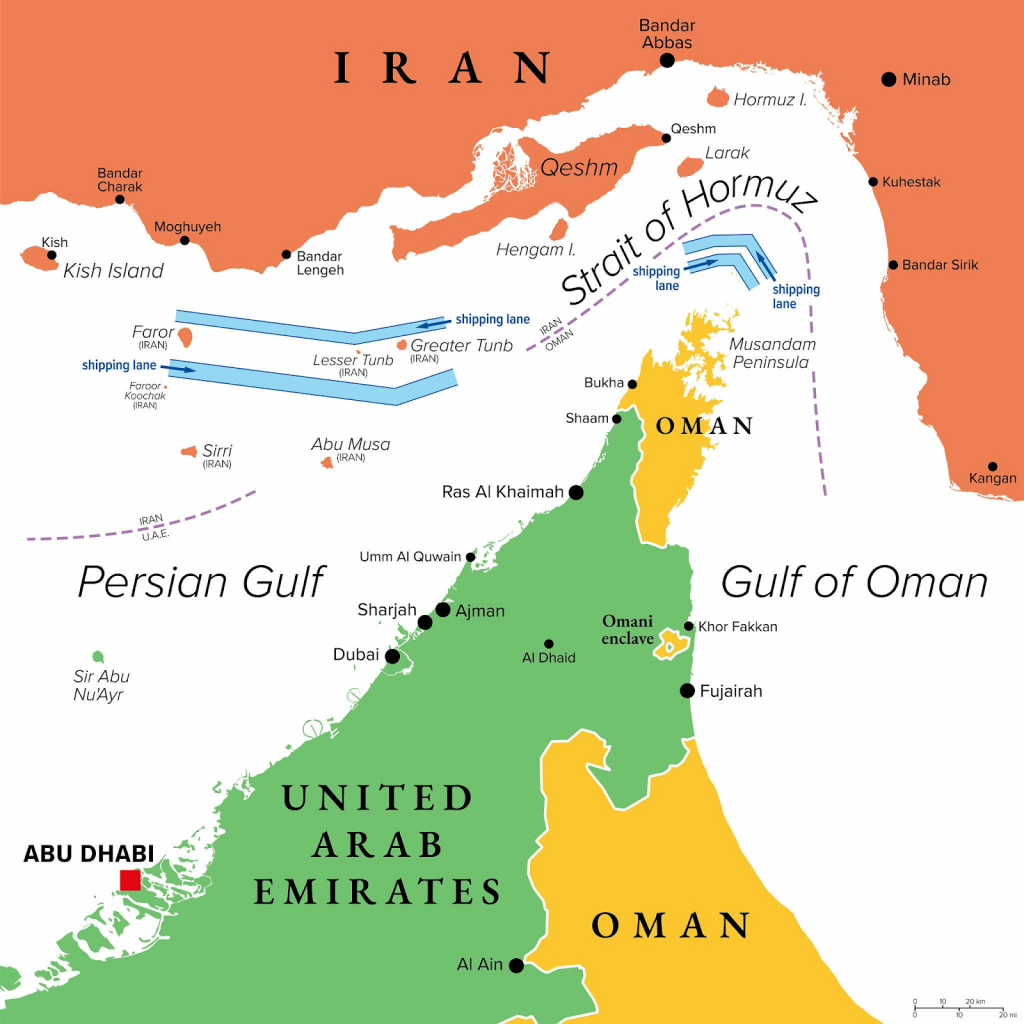
- Iran has effectively closed the Strait of Hormuz through threats and strikes on tankers, reducing shipping traffic by 70% and risking global oil supply disruptions.
Background of the Current Escalation
- Long-standing Hostility & Ideological Rivalry: Since the 1979 Islamic Revolution, the U.S. and Iran have been locked in a “Cold War” posture. This relationship has been defined by severe economic sanctions, the labeling of Iran as a state sponsor of terrorism.
- Collapse of the Nuclear Deal (JCPOA): The withdrawal of the U.S. from the 2015 Nuclear Deal in 2018 triggered a “maximum pressure” campaign. Iran responded by gradually breaching enrichment limits, leading the U.S. and Israel to view a nuclear-armed Iran as an imminent existential threat that could no longer be contained by diplomacy alone.
- The “Gray Zone” and Proxy Warfare: For years, the conflict was fought in the shadows via proxies. Iran’s support for the “Axis of Resistance” (Hamas, Hezbollah, and the Houthis) expanded its influence across Lebanon, Syria, Iraq, and Yemen.
Global Implications
- Energy Shock & Inflation: Oil prices likely to surge beyond sustainable levels. Higher transportation and insurance premiums.
- Risk of global stagflation (slow growth + high inflation).
- Global Supply Chain Disruption: Oil, LNG, fertilizers, petrochemicals affected. Shipping rerouted via longer routes which led to increased freight costs.
- China & Russia Factor: China is the largest buyer of Iranian oil. Russia may benefit from high oil prices.
Impact on India
- Energy Inflation: As India imports 85% of its crude, the “war surcharge” on shipping and rising oil prices are putting immense pressure on the rupee.
- Diaspora Safety: With 8–9 million Indians in the Gulf, the Cabinet Committee on Security (CCS) has met to discuss potential large-scale evacuations as commercial flights to the region are being suspended.
- Trade Disruptions: Exports of agricultural goods and imports of essential fertilizers are currently at risk due to maritime insecurity.
- Strategic Connectivity: Chabahar Port (Iran) for Central Asia access; I2U2 (India-Israel-UAE-USA grouping); IMEC (India-Middle East-Europe Corridor); Gulf partnerships (UAE, Saudi Arabia), and Israel relations.
Way Forward for India
- Diversify energy sources (Africa, Latin America).
- Strengthen Strategic Petroleum Reserves.
- Diplomatic engagement with all factions in Iran.
- Enhance maritime security in Arabian Sea.
- Protect diaspora through contingency planning.
- Push for ceasefire through multilateral platforms (UN, SCO, BRICS).
About West Asia & Its Significance To Global Politics
- West Asia (Middle East) is a subregion of Asia that is bordered by Europe to the west, Central Asia to the north, South Asia to the east, and Africa and the Arabian sea to the south.
- The region of West Asia roughly includes Armenia, Azerbaijan, Bahrain, Cyprus, Georgia, Iraq, Israel, Jordan, Kuwait, Lebanon, Iran, Oman, Palestine, Qatar, Saudi Arabia, Syria, Turkey, United Arab Emirates, and Yemen.
- It is strategically vital due to:
- Energy resources (oil & gas reserves);
- Chokepoints: Strait of Hormuz, Bab-el-Mandeb, Suez Canal;
- Religious significance (Jerusalem, Mecca, Medina);
- Geo-strategic location linking Asia, Africa, and Europe;
- Major external power involvement (US, Russia, China);
- The region iscurrently undergoing structural transformation marked by power realignments, proxy wars, and strategic competition.
Previous article
Concerns over Sixteenth Finance Commission Recommendations
Next article
Strengthening Allied Sector and Market Access
