

Syllabus: GS2/ International Relations
Context
- The collapse of peace talks between Pakistan and Afghanistan has brought renewed focus on the long-disputed Durand Line, one of South Asia’s most sensitive and contested borders.
Historical Background of the Durand Line
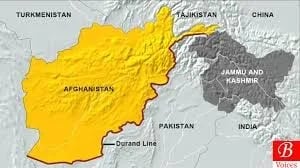
- The Durand Line is a roughly 2,640-kilometre frontier from the Iran border in the west to the China border in the east, passing through the Karakoram mountains, Hindu Kush ranges, and the Registan desert.
- It was delineated in 1893 through an agreement between Sir Henry Mortimer Durand, the Foreign Secretary of British India, and Emir Abdur Rahman Khan of Afghanistan.
- The agreement divided Pashtun tribal lands, split ethnic communities, and transferred control of Balochistan to British India.
Post-Partition Developments
- Pakistan inherited the Durand Line as its international border.
- Afghanistan, however, rejected the legitimacy of the agreement, arguing that it was a product of colonial coercion, limited in duration and never accepted by the Afghan people.
- Pashtunistan Demand: Pashtuns on both sides sought an independent state named Pashtunistan, further complicating Pakistan–Afghanistan relations.
- Taliban’s Position: Like previous Afghan governments, the Taliban also refuses to recognize the Durand Line as an international border.
Recent Tensions between Pakistan and Afghanistan
- Border Fencing by Pakistan: Pakistan began constructing a fence along the Durand Line in 2017 to curb insurgency and illegal crossings.
- Afghanistan sees this as a unilateral and illegitimate move.
- Collapsed Peace Talks: The latest round of Pakistan–Taliban talks mediated by Turkey and Qatar failed, accompanied by cross-border firing and retaliatory operations.
Impact on the region
- Economic strain on Afghanistan: Afghanistan’s heavy reliance on transit trade through Pakistan makes any closure catastrophic for daily commerce and relief operations.
- Erosion of Pakistan’s Influence: Instability jeopardizes Pakistan’s ambition to serve as a trade corridor linking South Asia with Central Asia.
- Strategic Opportunity for India: Afghanistan may pursue closer economic ties with India (through Chabahar Port and the International North–South Transport Corridor), bypassing Pakistan.
- People-to-People Strain: Markets, border villages, and families straddling the frontier bear the brunt of disruptions.
- Security Concerns Over Terror Spillovers: Instability along the Durand Line increases the flow of arms, drugs and terror financing into the region.
- Groups like LeT and JeM have historically used Afghanistan–Pakistan instability to regroup, posing risks for India.
Way Ahead
- Pakistan and Afghanistan must institutionalise regular security and border-management talks to prevent miscalculation and retaliatory escalation.
- Reopening border crossings under mutually agreed protocols will stabilise trade and reduce humanitarian distress.
- Confidence-building measures involving tribal elders, civil society and border communities can help manage local tensions.
Concluding remarks
- The turmoil along the Durand Line reflects deeper issues like colonial legacy, ethnic fragmentation, Pakistan’s coercive diplomacy, and persistent insecurity.
- For lasting peace, both countries need sustained diplomatic engagement, respect for regional sensitivities, and cooperative security mechanisms.
Source: TH
Previous article
World AIDS Day
Next article
The Many Roles of Sugarcane in India and the World
