
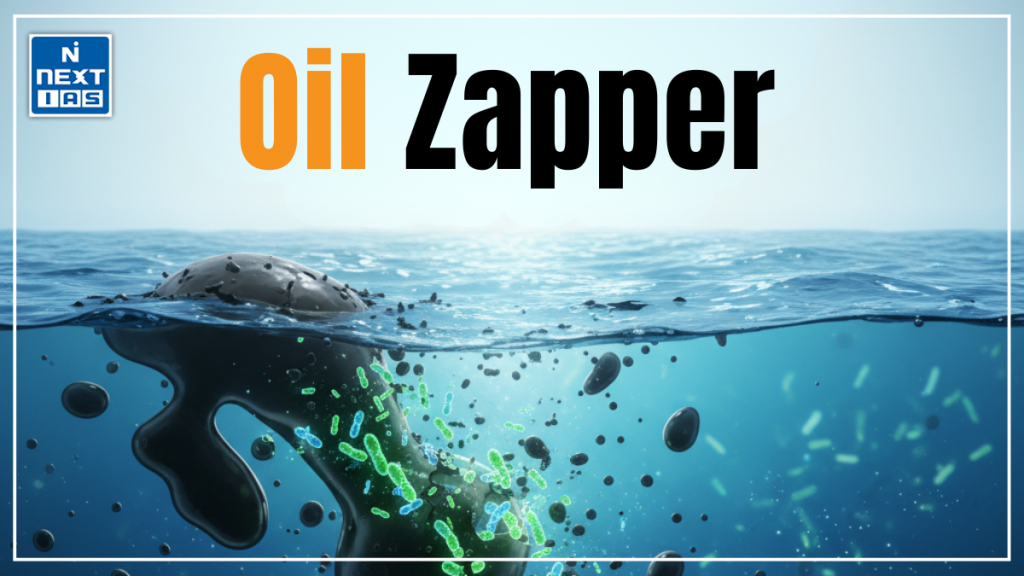
Oil Zapper offers an innovative bioremediation solution that degrades crude oil and oily sludge using a specialised combination of bacteria. The Oil Zapper is significant in ensuring sustainability while rehabilitating contaminated environments, thus minimizing damage to the ecosystem and fostering healthy ecosystems. This article works towards studying in great detail how Oil Zapper works, the benefits, and the applications to the correct oil spill problem.
What is Oil Zapper?
- Oil Zapper is an innovative bioremediation technology aimed at alleviating the environmental threat of oil spills in aquatic and terrestrial ecosystems.
- Against the backdrop of growing urgency for cleanup, Oil Zapper utilizes a consortium of so-called Application-Selected bacterial strains that are capable of degradation of different fractions of crude oil and oily sludge.
- The technology is targeted at providing a sustainable and efficient manner for site restoration that is minimising ecological damage and fostering environmental recovery.
Read our detailed article on Bioremediation
Effectiveness of Oil Zapper
The Oil Zapper works by a unique mixture of four bacterial strains. These bacterial strains get chosen due to their ability to degrade different fractions of crude oil, including.
- Aliphatic Hydrocarbons: Straight or branched-chain hydrocarbons are abundant in crude oil. These bacteria degrade these compounds into less harmful ones.
- Aromatic Hydrocarbons: These compounds with complex ring structures are often more difficult to degrade. The bacterial strains used in Oil Zapper have enzymes that break down these compounds.
- Asphaltenes: These heavy fractions of crude oil are rather stable and resistant to degradation. The bacterial consortium includes strains which can modify and degrade asphaltenes into less polymerized intermediates towards biodegradation.
- NSO Compounds: Compounds with nitrogen, sulfur, and oxygen are also found in crude oil and oily sludge. The bacterial strains degrade these compounds causing accumulation of toxic substances in the environment.
Advantages of Oil Zapper
The advantages of utilising Oil Zapper for bioremediation are numerous:
- Less expensive for treatment makes the larger-scale implementation of Oil Zapper cheaper than traditional cleanup methods. The cost of oily sludge treatment is roughly one-third that of standard methods, where standard ones compromise on making their own contaminated wastes in pits.
- In Situ Application: Oil Zapper can be applied wherever contamination occurs and thus avoids the need to transport heavy shipments of hazardous wastes. This saves risks to human health and environmental hazards that such transfers would otherwise bear.
- Safe End Products: The biodegradation of oily sludge results in conversion into harmless byproducts mainly carbon dioxide and water. In adversity of incomplete degradation, the fatty acids formed shall be harmless; none of them generate secondary pollutants.
- Soil Restoration: Remediated sites return to their original state, willing not be charred or nutritionally depleted in land. With the addition of mycorrhizal bio-fertilizers, the soil from treated land can be enriched for further revitalization.
- Environmental and Economic Benefits: By cleaning contaminated land, Oil Zapper enhances environmental quality, making treated areas suitable for various uses such as agriculture, housing, and reforestation.
- Job Creation: The implementation of Oil Zapper technology has generated numerous employment opportunities in India and beyond, contributing to economic growth.
Problem of Oil Spills
- Environmental Impact: Oil spills pose some of the greatest threats to marine and terrestrial ecosystems. Oil, whether deliberately discharged, released by accident from leaks, or jarring losses during transportation, grieves local habitats. Crude oil forms an oil slick over the surface of water bodies, contaminating aquatic life by coating birds’ feathers, fish gills, and the surfaces of marine plants, interfering with their functions and natural behaviors, including reproductive cycles. Spills on land may pose soil contamination, subsequently causing vegetation loss and the death of terrestrial animals.
- Fire Hazards, Groundwater Pollution, and Air Pollution: Since crude oil is a very flammable material, almost immediately upon release it could pose a fire hazard worth considering, especially when oil accumulates on a surface. Such fires can be disastrous for humans and the local environment as well.
- When oil finds its way into the subsurface, it can percolate through different layers of soil, eventually contaminating groundwater supplies and posing a serious threat to the drinking water sources. Additionally, volatile organic compounds (VOCs) released during oil spills can evaporate into the atmosphere, contributing to air pollution and potentially causing respiratory issues for nearby populations.
- The Issue of Oily Sludge: Oily sludge, a byproduct of oil extraction and refining processes, presents its own set of challenges.
- This thick, viscous material often accumulates during the drilling and processing of crude oil.
- Like oil spills, oily sludge is difficult to clean up and poses severe environmental risks, including soil degradation, water contamination, and air quality issues.
- The presence of oily sludge can lead to long-term ecological damage if not addressed properly, making effective remediation techniques crucial for environmental health and safety.
Conclusion
To wrap up, Oil Zapper represents a sustainable and efficient way to rear up the hazards of an oil spill. By leveraging natural bioremediation processes, it minimizes damage to the environment while fostering economic gains and creating jobs, thus making it a crucial tool for the future of ecological restoration.