


Syllabus:GS3/Economy
In News
- Farmers in Himachal Pradesh are increasingly adopting natural farming, supported by the State’s flagship Prakritik Kheti Khushhal Kisan Yojana (PK3Y), which promotes chemical-free agriculture.
What is Natural Farming?
- It is a chemical free farming, involving livestock (preferably local breed of cow) integrated natural farming methods and diversified crop systems rooted in the Indian traditional knowledge.
- It is rooted in Indian tradition enriched with modern understanding of ecology, resource recycling and on-farm resource optimization.
- It is considered as an agroecology based diversified farming system which integrates crops, trees and livestock with functional biodiversity.
- It is largely based on on-farm biomass recycling with major stress on biomass mulching, use of on-farm cow dung-urine formulations; maintaining soil aeration and exclusion of all synthetic chemical inputs.
Present status
- Several states like Andhra Pradesh, Karnataka, Himachal Pradesh, Gujarat, Uttar Pradesh, and Kerala are leading in natural farming, having developed successful models.
Benefits
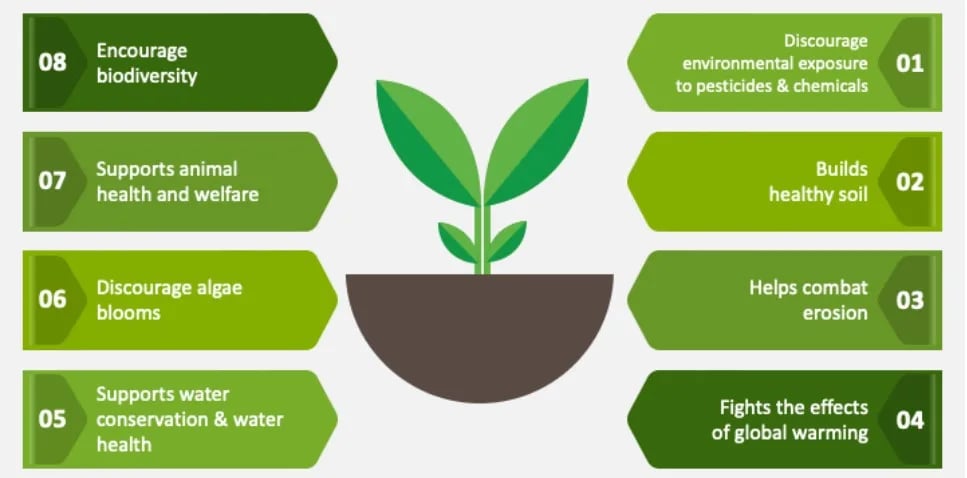
- Improved Soil Health: Natural farming enhances soil organic matter and microbial activity, leading to better nutrient cycling and water retention.
- Reduced Input Costs: Farmers save significantly by eliminating chemical fertilizers and pesticides, lowering their financial burden while enhancing farmer incomes.
- Climate Resilience: Diverse cropping systems and organic inputs help farms withstand erratic weather and reduce greenhouse gas emissions.
- Healthy Food Production: Chemical-free produce supports public health and aligns with growing consumer demand for organic food.
Challenges
- Yield Uncertainty: Transitioning from chemical to natural inputs may initially reduce yields, especially in high-input zones.
- Lack of Knowledge Gaps: Farmers need training in soil biology, composting, and pest management without chemicals.
- Market Linkages: Lack of dedicated supply chains and certification mechanisms for natural produce limits profitability.
- Coordination between central and state governments, and alignment with existing agricultural schemes, remains uneven.
Steps
- National Mission on Natural Farming (NMNF) is a standalone centrally sponsored Scheme launched in November 2024 to promote chemical-free, ecosystem-based natural farming rooted in traditional knowledge.
Suggestions and Way Forward
- Natural farming marks a transformative shift in Indian agriculture, aiming to balance productivity with environmental sustainability.
- It reduces reliance on external inputs, making it a cost-effective approach with potential to boost rural employment and development.
- For its widespread adoption, key strategies include strengthening extension services through trained trainers and model farms, investing in long-term research on soil health and productivity, and developing robust market ecosystems with certification, branding, and fair pricing.
Source :TH
