


Syllabus: GS2/IR
Context
- India and South Africa signed two agreements on submarine cooperation during the 9th Joint Defence Committee meeting in Johannesburg.
- While the specifics of these deals have yet to be fully detailed, it signals a potential deepening of maritime ties between influential Indian Ocean powers.
Significance of Cooperation Between two Countries
- Blue‑Water Collaboration: For India’s goal to bolster blue-water naval presence, cooperation with South Africa enhances reach across the Indian and Atlantic Oceans.
- Shared Security Beyond Submarines: These agreements bolster not just rescue, but also training, surveillance, and joint R&D—a key to addressing threats like piracy, trafficking, and strategic rivalries.
- Defence Industrial Growth: India’s defence manufacturing prowess, highlighted by Defence Secretary, aligns well with South Africa’s naval modernization ambitions.
- Regional & Historical Significance: Rooted in shared anti-colonial histories, this partnership extends diplomatic convergence into deeper defence integration.
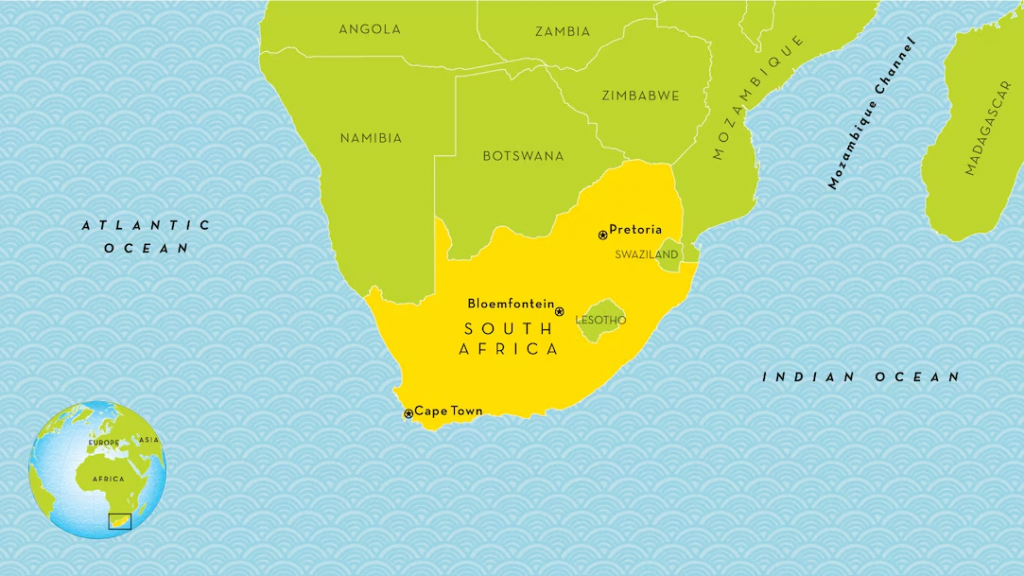
India-South Africa Relations
- History of Friendship: India and South Africa share historic ties rooted in the struggle against colonialism and apartheid. India was the first country to cut trade ties with the apartheid regime in 1946 and led international efforts at the UN and NAM to impose sanctions.
- Diplomatic Relations: Formal diplomatic ties were restored in 1993.
- The Red Fort Declaration of 1997 created a Strategic Partnership.
- 2023 marked 30 years of renewed diplomatic relations.
- Defence and Maritime Cooperation: Defence cooperation began in 1996.
- India and South Africa conduct joint naval exercises like IBSAMAR (India-Brazil-South Africa Maritime) and MILAN.
- South Africa also participates in India-Africa Defence Dialogue and has sent liaison officers to India’s IFC-IOR.
- Political Engagement: India and South Africa regularly hold high-level meetings at BRICS, G20, and IBSA forums.
- President Cyril Ramaphosa was the Chief Guest at India’s Republic Day in 2019.
- Trade and Investment: Bilateral trade reached $19.25 billion in 2023–24.
- India exports vehicles, pharma products, rice, and chemicals.
- It imports gold, coal, copper ore, phosphoric acid, and manganese from South Africa.
- India is among the top 10 trading partners of South Africa.
- Skill and Education Cooperation: The Gandhi–Mandela Centre of Specialisation was set up in Pretoria in 2021 to train artisans.
- India offers ITEC training programmes for South African professionals.
- Indian Diaspora: South Africa has a 1.7 million strong Indian-origin population.
Challenges
- Political Challenges: For any ambitious defence partnership to succeed, sustained political will is essential. South Africa, however, faces a far more fragile political landscape.
- Also, South Africa’s foreign policy has often prioritised ideological solidarity and support for liberation movements over concrete security interests.
- Different Priorities: Domestic priorities such as economic recovery, addressing inequality, and stabilising coalition politics are likely to overshadow external security partnerships.
- Strategic Divergences: India views the Indian Ocean as central to its economic and strategic future, for South Africa, maritime security is important but not existential.
- Its primary foreign policy remains focused on continental African issues and domestic socio-economic challenges.
Way Ahead
- The submarine agreements represent a promising new chapter in India–South Africa relations.
- South Africa will need to address its economic constraints and overcome internal political distractions to sustain meaningful participation.
- For India, the challenge lies in ensuring that its growing network of African partnerships translates into tangible outcomes rather than stalling at the level of declarations and high-profile visits.
Source: IE
Previous article
Judicial Accountability and Debate over In-House Inquiry Mechanism
Next article
Drop in Net Foreign Direct Investment (FDI)
