


Syllabus: GS2/Health, GS3/ S&T
In News
- The Union Ministry of Health and Family Welfare has amended the Transplantation of Human Organs and Tissues (Amendment) Rules, 2025 under the Transplantation of Human Organs and Tissues Act, 1994.
Key Highlights
- The amendment strengthens the National Organ Transplant Programme (NOTP) and streamlines functioning of corneal transplantation centres, while facilitating wider accessibility to eye donation and transplantation services across the country.
- The amendment removes the mandatory requirement of Clinical Specular Microscope equipment in corneal transplantation centers, which was used earlier to assess corneal endothelial cell health.
About the Cornea
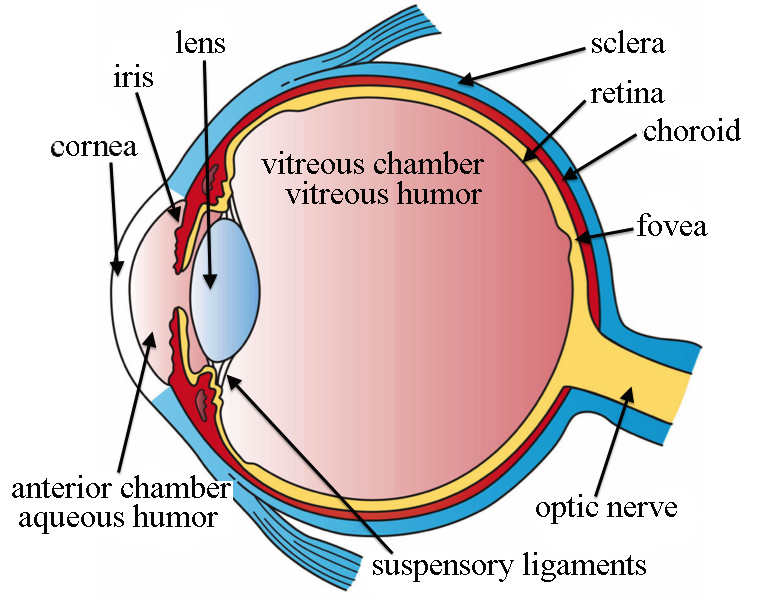
- The cornea is the transparent, dome-shaped outermost layer of the eye that acts like a window, allowing light to pass and focus on the retina for clear vision.
- It serves as a protective barrier against dust, microbes, and physical injury and maintains the eye’s shape and fluid balance.
- The cornea comprises six layers — Epithelium, Bowman’s Layer, Stroma, Pre-Descemet’s (Dua’s) Layer, Descemet’s Layer, and Endothelium — each essential for transparency and refraction.
- It is highly sensitive with 300–600 times more pain receptors than skin, ensuring rapid reflex protection.
- While minor injuries heal quickly, deeper damage or scarring can cause opacity and vision loss, often requiring a corneal transplant (keratoplasty) or artificial cornea (keratoprosthesis) to restore vision.
Significance
- Corneal blindness has been the second-leading cause of blindness in the over-50 age group in India
- India has an estimated 1.2 million corneal blind persons, to which 25 000–30 000 people are added every year.
- The amendment aims to boost cornea donation and transplantation services by streamlining the functioning of corneal transplantation centers and improving coordination among hospitals, tissue banks, and regulatory authorities.
- It aligns with the government’s vision of equitable healthcare access and is expected to strengthen India’s cornea donation and transplantation ecosystem in the long term.
- The overarching objective is to reduce the burden of corneal blindness, which is the second-leading cause of blindness among Indians over 50 years old.
Source: TH
Previous article
India and Vietnam: Strengthening Defence Ties
Next article
Recurring Rail Tragedies in India
