


Syllabus: GS3/Science and Technology
Context
- A study in Nature recently revealed that researchers have developed a method to address many nonsense mutation diseases using a single genome-editing strategy.
About
- Their approach is called Prime-Editing-mediated Readthrough of premature termination codons (PERT).
- It reprogrammes one of the cell’s own genes into a tool to override premature stop signals, allowing the cell to ignore the faulty instruction and complete the protein.
- The study offers a proof-of-concept for a gene-agnostic therapy that could benefit many rare diseases caused by nonsense mutations.
Genetic Disorders and Nonsense Mutations
- Genetic disorders often stem from small errors in the DNA sequence with major consequences.
- Many diseases like cystic fibrosis and Batten disease can be traced to changes disrupting the cell’s ability to build a complete, functional protein.
- Nonsense Mutation: One particularly common reason is the nonsense mutation, where a single incorrect DNA letter inserts a premature stop signal.
- When the cell encounters it, protein production ends too early, leaving the body without important enzymes, transporters or structural components.
- Nonsense mutations account for about a quarter of all known disease-causing genetic changes.
- Therapy: Each one halts a different protein at a different point, creating a wide range of disorders that, at present, require separate treatments.
- Each therapy needs to be designed, tested and approved on its own. This is a slow and expensive process.
Genome
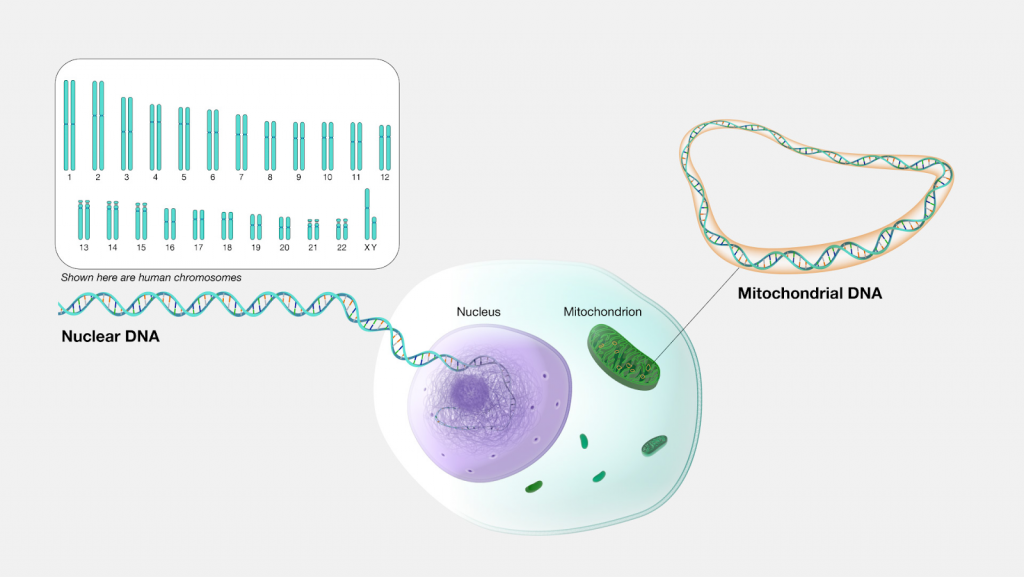
- The genome is the entire set of DNA instructions found in a cell.
- In humans, the genome consists of 23 pairs of chromosomes located in the cell’s nucleus, as well as a small chromosome in the cell’s mitochondria.
- A genome containsall the information needed for an individual to develop and function.
Gene Editing
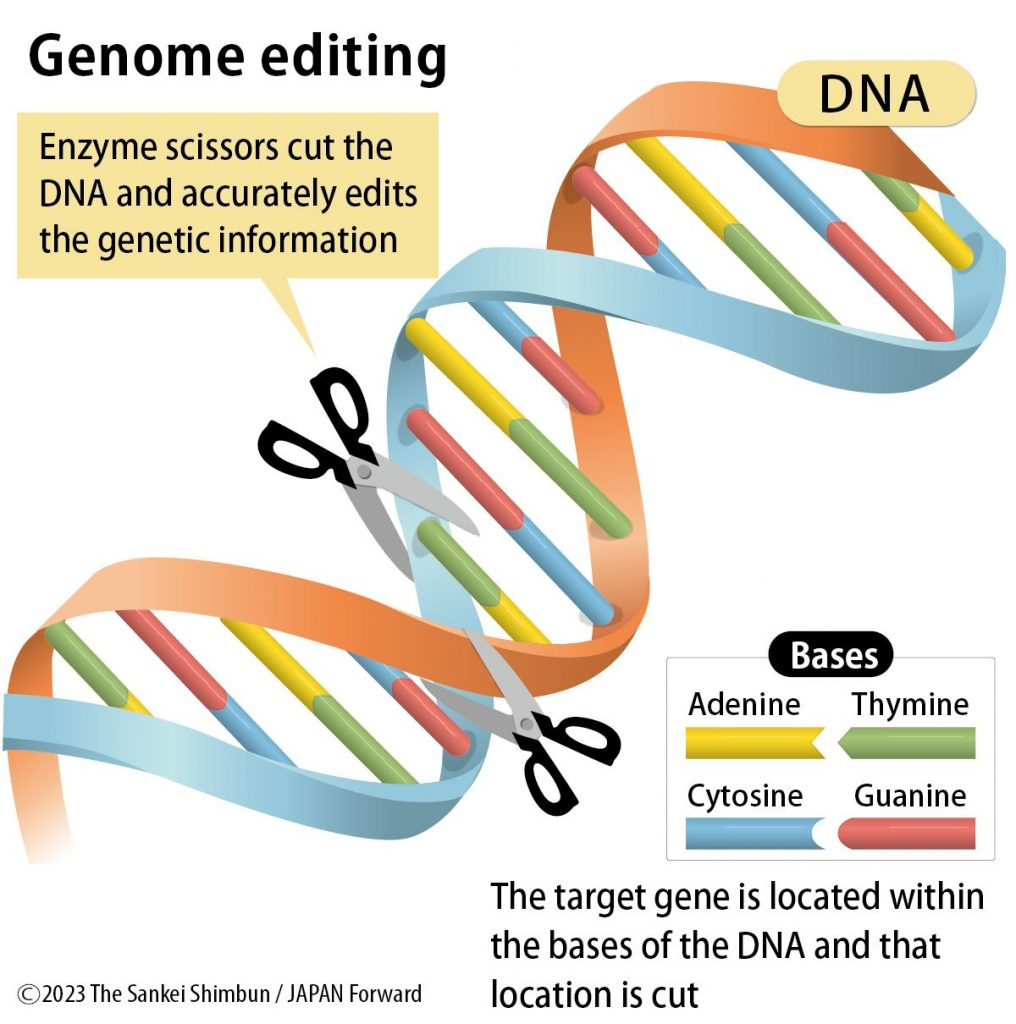
- Genome editing technologies enable scientists to make changes to DNA, leading to changes in physical traits, like eye color, and disease risk.
- These technologies act like scissors, cutting the DNA at a specific spot. Then scientists can remove, add, or replace the DNA where it was cut.
- The first genome editing technologies were developed in the late 1900s.
- More recently, a new genome editing tool called CRISPR, invented in 2009, has made it easier to edit DNA.
- CRISPR is simpler, faster, cheaper, and more accurate than older genome editing methods.
Gene Therapy
- It is a technique that uses genes to treat, prevent, or cure diseases by:
- Replacing faulty genes,
- Deactivating harmful genes,
- Introducing new genes to restore health.
- There are two different categories of gene therapies: germline therapy and somatic therapy.
- Germline therapies change DNA in reproductive cells (like sperm and eggs). Changes to the DNA of reproductive cells are passed down from generation to generation.
- Somatic therapies, on the other hand, target non-reproductive cells, and changes made in these cells affect only the person who receives the gene therapy.
Conclusion
- While genetic technologies offer promising tools for conservation, their application must be guided by scientific rigor, ethical considerations, robust regulation, and ecological sensitivity.
- A balanced, interdisciplinary approach is key to ensuring their responsible and effective use.
Source: TH
Previous article
District Cooling: A Climate-Smart Solution for India’s Urban Future
