

Syllabus: GS3/Science and Technology
Context
- Recently, researchers at Stanford and the Arc Institute created the world’s first entirely AI-generated genome.
About
- The new virus created by AI can infect and kill bacteria.
- Scientists have already used AI to design individual proteins and even small multi-gene systems. However, creating an entire genome is way more complex.
- In simpler words the AI model learned the “language rules” of phage DNA and then generated a new, never-before-seen genome that still worked in real life.
How was it done?
- Scientists used Artificial Intelligence (AI) called Evo, specifically genome “language models,” to design entirely new bacteriophage (virus that infects bacteria) genomes.
- Evo was trained on about two million viral genomes so it could learn the DNA, the patterns of gene order and composition.
- The researchers guided the model to mimic phiX174, a small bacteriophage with just 11 genes and around 5,000 DNA letters that has long been a staple of molecular biology.
| What is Virus? – A virus is an infectious microbe consisting of a segment of nucleic acid (either DNA or RNA) surrounded by a protein coat called capsid. – Viruses are not considered living organisms because they cannot carry out metabolic processes on their own. – A virus cannot replicate alone; instead, it must infect cells and use components of the host cell to make copies of itself. – Often, a virus ends up killing the host cell in the process, causing damage to the host organism. – Well-known examples of viruses causing human disease include AIDS, COVID-19, measles and smallpox. Genome – The genome is the entire set of DNA instructions found in a cell. – In humans, the genome consists of 23 pairs of chromosomes located in the cell’s nucleus, as well as a small chromosome in the cell’s mitochondria. – A genome contains all the information needed for an individual to develop and function. 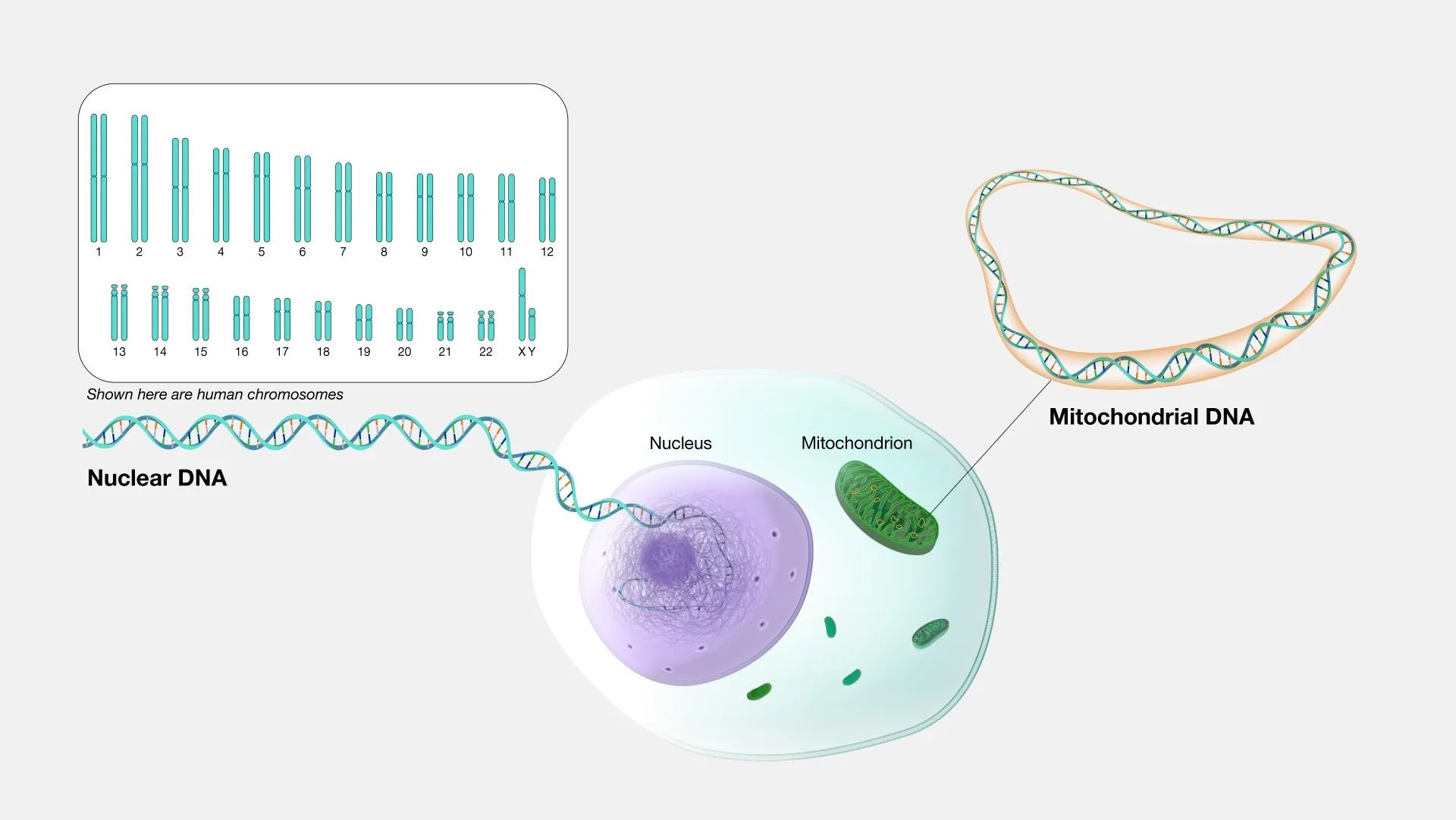 |
Key Takeaways
- Instead of tweaking a few DNA letters, AI created the whole genome from scratch.
- The DNA sequences were very different from any natural phage but still functional.
- It could be huge for phage therapy i.e. using viruses to fight against antibiotic-resistant bacteria.
Significance
- It’s a step beyond just reading a genome (sequencing), or synthesizing a known genome, scientists are designing new, functional genomes using AI.
- This could make phage therapy more adaptable, generating diverse phages to stay ahead of bacterial resistance.
- As technology gets cheaper and models improve, we might design more complex viral genomes, or phages targeting pathogens of clinical importance.
Source: IE
Previous article
High Seas Treaty of UN Reaches Entry into Force Threshold
Next article
Clean Plant Programme
