 Gurukul
Kurukshetra July, 2025
The following topics are covered in the Kurukshetra July 2025:
Chapter 1- Rising in Unison: Realizing Sahkar SE Samriddhi
Cooperation, based on ‘Sah’ (together) and ‘Karya’ (action), holds transformative potential for communityled growth. As India targets a $5 trillion economy, cooperatives must be repositioned as democratic, multisectoral business entities. The vision of “Sahkar Se Samriddhi” demands unified, time-bound efforts for inclusive socio-economic development.
Philosophical Roots and Historical Evolution
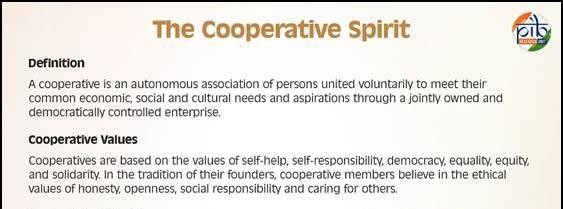
- India’s ancient texts—Rigveda, Manusmriti, and Arthashastra—emphasize collective trusteeship. The Rigveda advocates unity: “May we be of one mind…”. Arthashastra mandates shared responsibility in cooperatives.
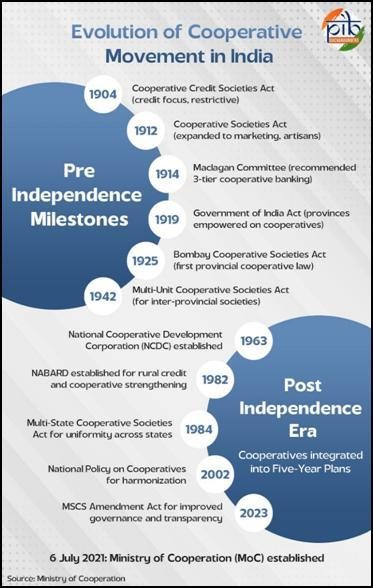
- The Cooperative Credit Societies Act, 1904 formalized grassroots economic cooperation. Mahatma Gandhi called Charkha the “greatest voluntary cooperation,” linking it to self-reliance and rural empowerment.
Cooperative Values and Principles
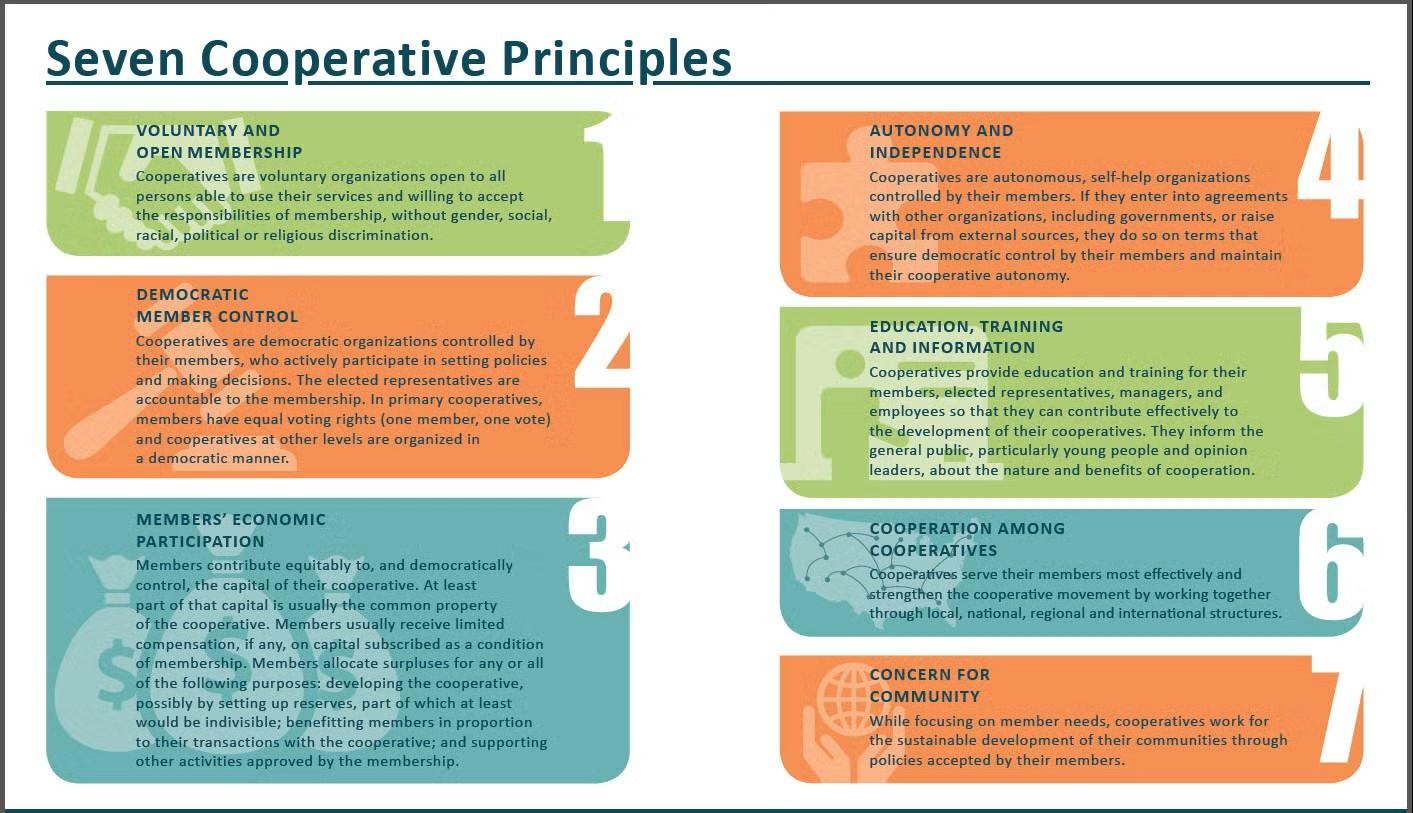
Indian cooperatives function on 7 global principles—voluntary membership, democratic control, economic participation, autonomy, education, inter-cooperation, and community focus. These foster people-centric development.
Status of the Cooperative Movement
- India has 814,575 cooperatives with 29 crore members, covering 98% of villages. Over 810,000 are Primary Cooperatives, and 19 are national-level federations, making this a critical pillar of India’s economy.
PACS: Strengthening Rural Cooperatives
Primary Agricultural Credit Societies (PACS) in 32 States/UTs can now conduct 25+ business activities, including: Fisheries, Dairy, Warehousing, Banking, Insurance, Legal Services, Renewable Energy Initiatives, PM Bhartiya Janaushadhi Kendras (PMBJKs), Common Service Centres (42,080 PACS, 300+ e-services) and Fertilizer & Panchayat-level Maintenance Services
Additional Initiatives: As part of the ongoing cooperative sector reforms, 7.43 lakh RuPay Kisan Credit Cards (KCCs) have been distributed under the Gujarat pilot, 716 Primary Agricultural Credit Societies (PACS) are now functioning as Pradhan Mantri Bhartiya Janaushadhi Kendras (PMBJKs), 36,193 PACS have been converted into Kisan Samriddhi Kendras, and 286 PACS have applied for Oil/LPG dealership, further strengthening rural service delivery and financial inclusion.
Cooperatives Driving Atmanirbhar Bharat
To reduce pulse and maize imports, GoI launched:
- e-Samyukti portal (NCCF): 12.64 lakh farmer registrations
- e-Samridhi portal (NAFED): 6.75 lakh registrations
- These portals ensure MSP procurement, boost income security, and promote ethanol production under the Ethanol Blending Programme.
Promoting Cooperative FPOs and FFPOs
Strategic integration of Farmer Producer Organizations (FPOs) and Fishery Farmers Producer Organizations (FFPOs) within the cooperative framework has enhanced income diversification and rural entrepreneurial capacities. The National Cooperative Development Corporation (NCDC) has successfully formed:
- 730 cooperative FPOs
- 70 FFPOs (initial phase)
Expansion into Oil and Energy Sector
PACS are now eligible for:
- Retail Petrol/Diesel and LPG Dealerships
- Participation in MNRE renewable energy schemes
- Promotion of solar pumps and PV modules on farms
Strengthening the Cooperative Credit Structure
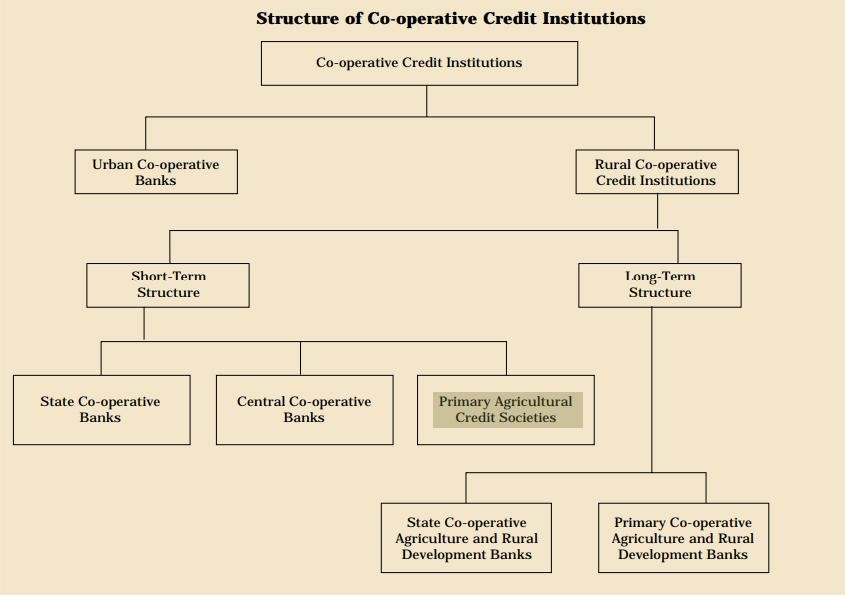
With 13 crore farmers linked to PACS, GoI is modernizing the 3-tier credit system:
- StCB → DCCB → PACS
- Focus on computerizing ARDBs, SCARDBs, and PCARDBs
- Strengthening DCCBs (middle tier) to ensure credit efficiency
Cooperative Education and Skill Building
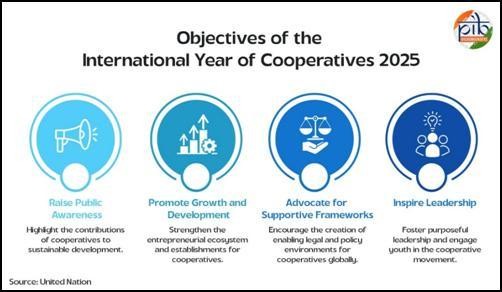
- The establishment of Tribhuvan Sahkari University institutionalizes cooperative learning, promoting leadership, professionalism, and sustainability in the sector.
Conclusion
As India moves toward Viksit Bharat@2047, the cooperative movement is key to achieving inclusive and equitable development. The vision of “Sahkar Se Samriddhi” is a national call-to-action for grassroots entrepreneurship, self-reliance, and social equity.
Strengthening cooperative institutions, enabling multi-sectoral participation, and aligning them with national missions can turn cooperatives into engines of prosperity—ensuring that growth reaches the last mile through the spirit of collective action.
Chapter 2- PACS as Common Service Centers (CSCS)
Rural India has long relied on Primary Agricultural Credit Societies (PACS) as the backbone of its agricultural credit system. With over 1 lakh PACS spread across the country and catering to more than 13 crore farmer members, these institutions form one of the largest cooperative networks globally.
- Traditionally, their role has been limited to providing short-term and medium-term credit to farmers. However, the evolving needs of rural India—spanning digital inclusion, e-governance, financial literacy, and access to basic services—necessitate a broader institutional transformation.
- In this context, the integration of PACS into the Common Service Centers (CSC) framework represents a pivotal policy shift toward inclusive, digitally-enabled rural development.
What are PACS?
- Definition: PACS are the lowest tier in the short-term cooperative credit structure (comprising PACS at the village level, District Central Cooperative Banks (DCCBs), and State Cooperative Banks (StCBs)).
- Role: They offer agricultural credit, fertilizers, seeds, and procurement services.
- Structure: Registered under respective State Cooperative Societies Acts, PACS operate as memberdriven institutions, democratically governed and financially supported by cooperative banks and NABARD.
- Challenges: Manual record-keeping, limited diversification, lack of digitization, and poor governance hampered their efficiency.
PACS-CSC Integration: A Policy Shift
Recognizing their deep rural penetration, the Government signed an MoU on 2nd February 2023 between the Ministry of Cooperation, Ministry of Electronics & IT, NABARD, and CSC e-Governance Services India Ltd to integrate PACS into the Digital Seva Portal of CSCs.
This initiative transforms PACS into one-stop service hubs, offering 300+ e-services, such as:
- Banking, insurance & digital payments
- Aadhaar updation, PAN card & passport services
- Rail, bus, and air ticket bookings
- Health services (e.g., telemedicine, diagnostics)
- e-Commerce access for both purchasing and marketing rural produce
- Legal literacy & investor awareness
- Government scheme enrollments (e.g., DBT, welfare registrations)
- Online education, skilling & vocational training
Advantages of the Transformation
- Empowering Farmers Beyond Credit: The transformation reduces dependence on intermediaries by facilitating direct access to markets and government schemes. It promotes financial inclusion through digital banking and faster loan disbursement, while enhancing awareness and decision-making among members via targeted education and information services.
- Strengthening Governance and Efficiency: The adoption of ERP systems, cloud storage, CAS, and MIS has enabled real-time integration with higher cooperative banks, ensured transparency and financial accountability, and strengthened disaster resilience by ensuring continuity through digital infrastructure.
- Facilitating Inclusive Development: As digital service hubs, PACS-CSCs deliver welfare and e-governance services in remote areas, operate on a sustainable pay-per-use model, and foster collaborative networks across cooperatives to enable best practice exchange and capacity building.
Case Studies of Transformation
- Maharashtra – Kharsai Vividha Karyakari Society: Transitioned from manual to digital systems, resolving issues like data inaccuracy and inefficiencies. Full-scale ERP adoption enhanced transparency, reduced workload, and improved member satisfaction—demonstrating the potential of digital modernization in rural cooperatives.
- Tamil Nadu – Arakandanallur PACS, Villupuram: Despite severe flood damage, the society ensured uninterrupted services through prior partial computerization and cloud-based data access. This highlights the resilience and disaster-readiness of digitally enabled PACS.
- Implementation Priorities: To ensure the success of the PACS-CSC transformation, it is essential to strengthen HR capacity, training, and administrative systems, focus on welfare delivery through e-PACS, and promote digital and financial literacy. Additionally, building cooperative ecosystems for innovation and best-practice sharing, along with ensuring financial sustainability through service-based revenue models, are critical for long-term impact.
Conclusion
The computerization and integration of PACS into the CSC framework is not just a digital upgrade—it is a transformative strategy aimed at revitalizing India’s rural cooperative institutions. By combining financial services with e-governance, skilling, and healthcare, PACS are being reimagined as multi-functional, community-centric institutions. This reform aligns with the vision of ‘Sahkar Se Samriddhi’, strengthening rural prosperity through cooperative development.
Through enhanced transparency, accountability, and service delivery, the PACS-CSC model will play a central role in building a digitally empowered, economically resilient, and inclusive rural India—in sync with the larger goals of Digital India, financial inclusion, and cooperative federalism.
Chapter 3- NCDC: Powering India’s Cooperative Revolution
The National Cooperative Development Corporation (NCDC) has emerged as a key driver of India’s cooperative resurgence, playing a pivotal role in rural transformation through support to cooperative sugar mills, Farmer Producer Organizations (FPOs), Fish Farmer Producer Organizations (FFPOs), and marine fishing cooperatives. As India pushes for inclusive economic growth, NCDC’s proactive financial and technical interventions have strengthened grassroots economic institutions.
About NCDC
- The National Cooperative Development Corporation (NCDC), a statutory body under the Ministry of Cooperation, was established in 1963 under the NCDC Act, 1962 to promote the cooperative movement and rural economic development.
- It supports farmer cooperatives by financing activities like agricultural marketing, processing, storage, cold chains, and input supply.
- NCDC also promotes non-farm cooperative sectors such as dairy, handloom, sericulture, poultry, and fisheries, with a focus on SCs, STs, and women cooperatives. It implements various Central Sector Schemes, aiming to empower cooperatives and drive inclusive and sustainable rural growth.
Key Achievements and Highlights
- Financial Outreach and Growth: In FY 2024–25, NCDC disbursed ₹95,175.71 crore benefiting 2.76 lakh cooperative societies and 1.27 crore members, achieving a net profit of ₹750 crore with zero NPAs and a loan recovery rate of 99.76%. Cumulative disbursement till March 2025 stood at ₹4.08 lakh crore, marking a 33% CAGR since 2015–16. The disbursement target for FY 2025–26 is ₹80,000 crore.
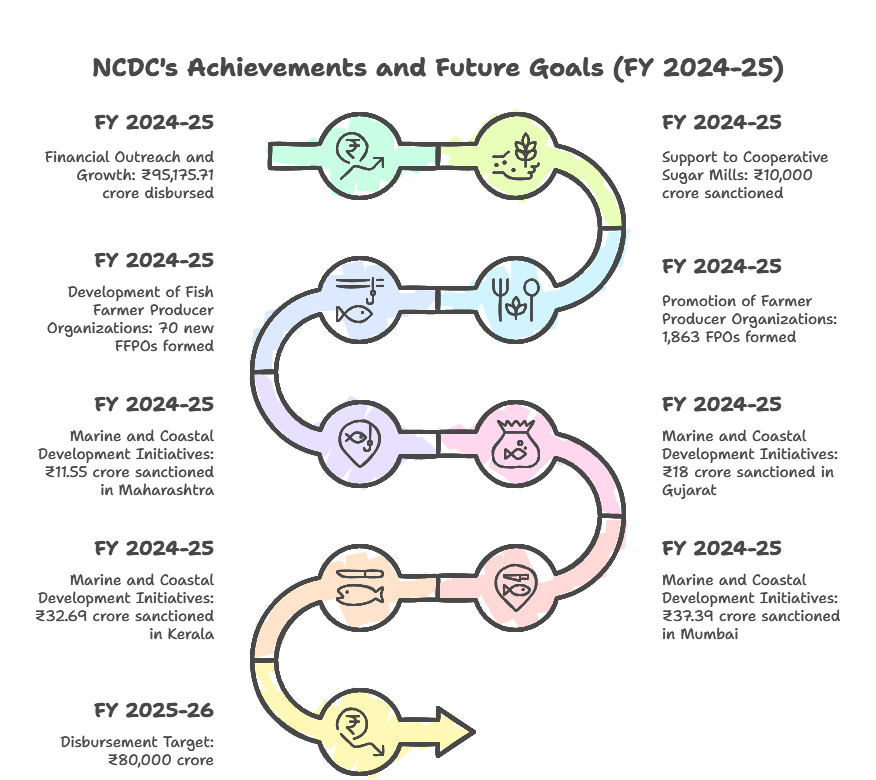
- Support to Cooperative Sugar Mills (CSMs): A one-time grant of ₹1,000 crore was provided by the Ministry of Cooperation, enabling NCDC to sanction and release ₹10,000 crore to 56 cooperative sugar mills for ethanol production, cogeneration units, and working capital, thereby enhancing rural employment and operational viability.
- Promotion of Farmer Producer Organizations (FPOs): Under the Formation and Promotion of 10,000 FPOs Scheme, NCDC formed 1,863 FPOs, including the targeted 1,100 additional FPOs, and disbursed ₹165.37 crore to FPOs and Cluster-Based Business Organizations (CBBOs) to strengthen collective farming and market linkages.
- Development of Fish Farmer Producer Organizations (FFPOs): Under the Pradhan Mantri Matsya Sampada Yojana (PMMSY), NCDC formed 70 new FFPOs and converted 1,000 existing fisheries cooperatives, disbursing ₹77.07 crore. Under the new PM Matsya Kisan Samriddhi Sah-Yojana (PMKSSY), a target has been set to transform 2,348 fisheries cooperatives into FFPOs to boost the blue economy.
- Marine and Coastal Development Initiatives: Through the Deep-Sea Trawlers Initiative, NCDC sanctioned ₹11.55 crore in Maharashtra (14 trawlers) and ₹18 crore in Gujarat (30 trawlers). It also sanctioned ₹37.39 crore to Rajmata Vikas Macchimar Sahkari Sanstha, Mumbai, for a seafood processing unit, and ₹32.69 crore (₹20.83 crore released) for the Integrated Fisheries Development Project in Kerala to improve marine infrastructure and processing capacity.
Significance
The NCDC plays a critical role in rural economic empowerment by enabling small farmers, fishers, and rural entrepreneurs to access affordable credit, infrastructure, and market linkages. It directly contributes to the goal of doubling farmers’ income through value addition, ethanol production, and collective marketing.
- By supporting weaker sections such as SCs, STs, and women via cooperative-led models, it promotes inclusive development. NCDC also encourages sustainable practices like eco-friendly fisheries and community resource management. Its initiatives are well-aligned with the Ministry of Cooperation’s vision of “Sahkar se Samriddhi.”
Challenges and Way Forward
Despite its achievements, the cooperative sector faces regional disparities, inadequate digital infrastructure at the PACS and FPO levels, and a lack of trained cooperative leadership.
- To address these gaps, there is a need to strengthen human resources and digital systems, promote multi-purpose PACS through the Common Services Centre (CSC) model, and expand credit access to non-agricultural cooperatives. Additionally, ensuring transparency, accountability, and proper fund utilization is crucial for sustaining long-term cooperative growth.
Conclusion
The NCDC has firmly positioned itself as a cornerstone of India’s cooperative growth strategy. Its financial prudence, technical capacity, and grassroots engagement have helped it become a model public financial institution. As the cooperative sector expands into newer domains like ethanol production, digital agriculture, and blue economy, NCDC’s role will remain crucial in making cooperatives vibrant, sustainable, and self-reliant.
Chapter 4- Multi-State Cooperative Societies (Amendment) Act, 2023
The cooperative movement has played a pivotal role in India’s rural and agricultural development, promoting self-reliance, collective action, and inclusive growth. Recognizing the need for reform in multi-state cooperative societies (MSCS), the Government of India enacted the Multi-State Cooperative Societies (Amendment) Act, 2023, a comprehensive legislation to improve governance, transparency, and accountability in the cooperative sector.
Background and Rationale
- The Ministry of Cooperation, established on 6th July 2021, aims to realize the vision of “Sahkar se Samriddhi” by providing an exclusive policy, legal, and administrative framework for cooperatives.
- Widespread issues such as financial mismanagement, delayed elections, lack of transparency, and weak grievance redressal in MSCS prompted legislative intervention.
- The original MSCS Act, 2002, lacked adequate safeguards to address emerging challenges, making amendments imperative.
Salient Features of the MSCS (Amendment) Act, 2023
- Cooperative Election Authority (CEA): Established under Section 45 to ensure timely, regular, and transparent elections in Multi-State Cooperative Societies (MSCS). As of April 2025, it has conducted 113 elections and 33 more in progress, with proactive coordination for election preparedness.
- Grievance Redressal Mechanism: Provision for Cooperative Ombudsman under Section 85A and Cooperative Information Officers (CIOs) under Section 106 to handle member grievances, ensure accountability, and improve information transparency.
- Financial Transparency and Accountability: Introduction of Concurrent Audit (Sec 70A) for societies above a defined turnover threshold to detect fraud early. Audit reports of apex MSCS to be tabled in Parliament. Central Government empowered to define auditing standards and prudential norms for thrift and credit societies.
- Ethical Governance: Mandatory Audit and Ethics Committee and POSH Committee (Prevention of Sexual Harassment) for each MSCS board. Stricter disqualification norms for directors and expulsion period extended from 1 year to 3 years (Section 30).
- Social Inclusion: Ensures mandatory representation of 1 SC/ST and 2 women members on MSCS boards in line with Article 243ZJ, promoting social justice, inclusivity, and gender equity.
- Digitization and Ease of Doing Business: Enables digital filing of applications, returns, and fees. Registration timeline reduced from 4 months to 3 months, with a 2-month extension for correcting deficiencies.
- Professional Leadership: Defines minimum eligibility criteria for appointment of Chief Executive Officers (CEOs) to ensure qualified and capable leadership.
- Enhanced Regulatory Oversight: Authorizes the Central Registrar to conduct inquiries into fraudulent or illegal activities. Updates investment norms by eliminating colonial-era instruments and adopting modern financial standards.
Significance:
- Democratic Governance: Ensures free, fair, and timely elections in Multi-State Cooperative Societies (MSCS) through the Cooperative Election Authority (CEA).
- Transparency & Accountability: Introduces real-time audits, public disclosures, and digital filing to promote good governance.
- Inclusive Growth: Empowers Scheduled Castes (SCs), Scheduled Tribes (STs), women, and rural communities through mandatory board representation and cooperative leadership.
- Ease of Doing Business: Simplifies registration timelines, enables online submissions, and reduces compliance burdens.
- Grievance Redressal: Institutionalizes a robust Ombudsman framework and Cooperative Information Officers (CIOs) for member protection.
- Policy Alignment: Reinforces the Ministry of Cooperation’s vision of “Sahkar se Samriddhi”, linking cooperatives with rural empowerment and economic justice.
Challenges
- Capacity Gaps: Need for training and upskilling of MSCS officials, CIOs, and elected board members.
- Digital Divide: Uneven digital infrastructure across regions limits access and efficiency.
- Regional Disparities: Wide gaps in cooperative penetration and performance, especially in eastern and northeastern India.
Way Forward
- Training & Sensitization: Conduct targeted capacity-building programmes for CIOs and cooperative boards.
- Digital Expansion: Ensure last-mile digital connectivity, especially for rural and tribal cooperatives.
- CSC Model Integration: Promote multi-purpose PACS as Common Service Centres (CSCs) to offer government-to-citizen (G2C) services.
- Strengthened Oversight: Establish robust monitoring and evaluation (M&E) mechanisms for fund utilization and service delivery outcomes.
Conclusion
The MSCS (Amendment) Act, 2023 marks a transformational step in revamping India’s cooperative landscape. By embedding transparency, democratic functioning, financial prudence, and social equity, it lays a robust foundation for making cooperatives a vibrant engine of rural development and economic empowerment. For UPSC aspirants, this amendment is a critical reform in governance, rural economy, and policy execution, with far-reaching implications for inclusive growth.
UPSC Mains Practice Questions-(Around 250 words)
Q1. How can cooperative institutions strengthen grassroots democracy and inclusive governance in India? Discuss the role of digitalization and the “Sahkar se Samriddhi” initiative in this regard.
Q2. Discuss the role of cooperatives in achieving the goals of Doubling Farmers’ Income and rural entrepreneurship. Suggest measures to address regional disparities and governance issues in the cooperative sector.
QUICK LINKS

 Call
Call